Planning your baking projects throughout the year transforms a potentially chaotic endeavor into an enjoyable, organized pursuit. A structured holiday baking calendar provides a framework for aligning your efforts with seasonal ingredients, specific holidays, and even gift-giving opportunities. This approach not only minimizes last-minute stress but also allows for more efficient ingredient sourcing, better budget management, and the opportunity to hone specific baking skills relevant to each period. Instead of reacting to upcoming events, you proactively shape your baking schedule, ensuring freshness, relevance, and a consistent output of high-quality treats tailored to the moment.
Structuring Your Annual Baking Schedule
A well-designed baking calendar considers both major holidays and the natural availability of produce. By mapping out your baking intentions quarterly, you can anticipate ingredient needs, allocate time for more complex recipes, and even plan for batch baking and freezing where appropriate. This strategic overview helps you avoid the common pitfalls of over-purchasing perishable items or running out of time for ambitious projects.
January-March: Post-Holiday Comforts and Spring Anticipation
Following the December rush, January often calls for lighter, comforting bakes that use up pantry staples or embrace new year resolutions. Think whole-grain muffins, citrus-infused loaves, or fruit tarts that offer a refreshing contrast to heavier holiday fare. February brings Valentine's Day, a prime opportunity for rich chocolate desserts, red velvet creations, or delicate shortbreads. Focus on presentation and smaller, giftable portions. As March arrives, St. Patrick's Day offers a chance for soda bread, Irish cream-flavored treats, or even green-tinted desserts. The transition to spring also means anticipating lighter flavors and the first signs of fresh produce like rhubarb or early berries for crisps and crumbles.
- January Focus: Whole-grain breads, citrus cakes, detox-friendly muffins.
- February Focus: Chocolate lava cakes, red velvet cupcakes, shortbread cookies.
- March Focus: Irish soda bread, mint desserts, early rhubarb tarts.
April-June: Spring Celebrations and Early Summer Flavors
April ushers in Easter and Passover, demanding specific baking traditions. Easter often involves pastel-colored desserts, carrot cakes, hot cross buns, or lamb-shaped cakes. For Passover, flourless chocolate cakes, macaroons, and matzo-based confections are key. May celebrates Mother's Day, providing an occasion for elegant, delicate bakes like floral-decorated cupcakes, lemon meringue pies, or berry trifles. Early summer in June brings a bounty of fresh berries and stone fruits. This is the time for strawberry shortcakes, cherry pies, peach cobblers, and lighter no-bake cheesecakes. Father's Day can inspire heartier, perhaps grill-friendly desserts like grilled fruit skewers with pound cake, or robust chocolate chip cookies.
Pro Tip: When planning for seasonal ingredients, always check local farmer's market schedules or grocery store circulars a few weeks in advance. Peak freshness and lower prices often coincide, allowing you to stock up for freezing purees or making preserves that extend the season's flavors into later months.
July-September: Summer Harvest and Back-to-School Treats
July is defined by Independence Day in many regions, inspiring red, white, and blue desserts. Berry tarts, layered cakes, and festive fruit salads are popular. The heat of summer also makes no-bake desserts particularly appealing, such as icebox cakes, frozen pies, or chilled mousses. August is peak season for many fruits like peaches, plums, and corn, making it ideal for rustic galettes, fruit crumbles, and corn-based breads or muffins. As September approaches, the focus shifts to back-to-school treats: hearty cookies, snack bars, and apple or pumpkin-spiced muffins that are easy to pack in lunchboxes or serve as after-school snacks. This period also marks the beginning of the fall harvest, setting the stage for autumnal flavors.
October-December: Peak Holiday Baking Season
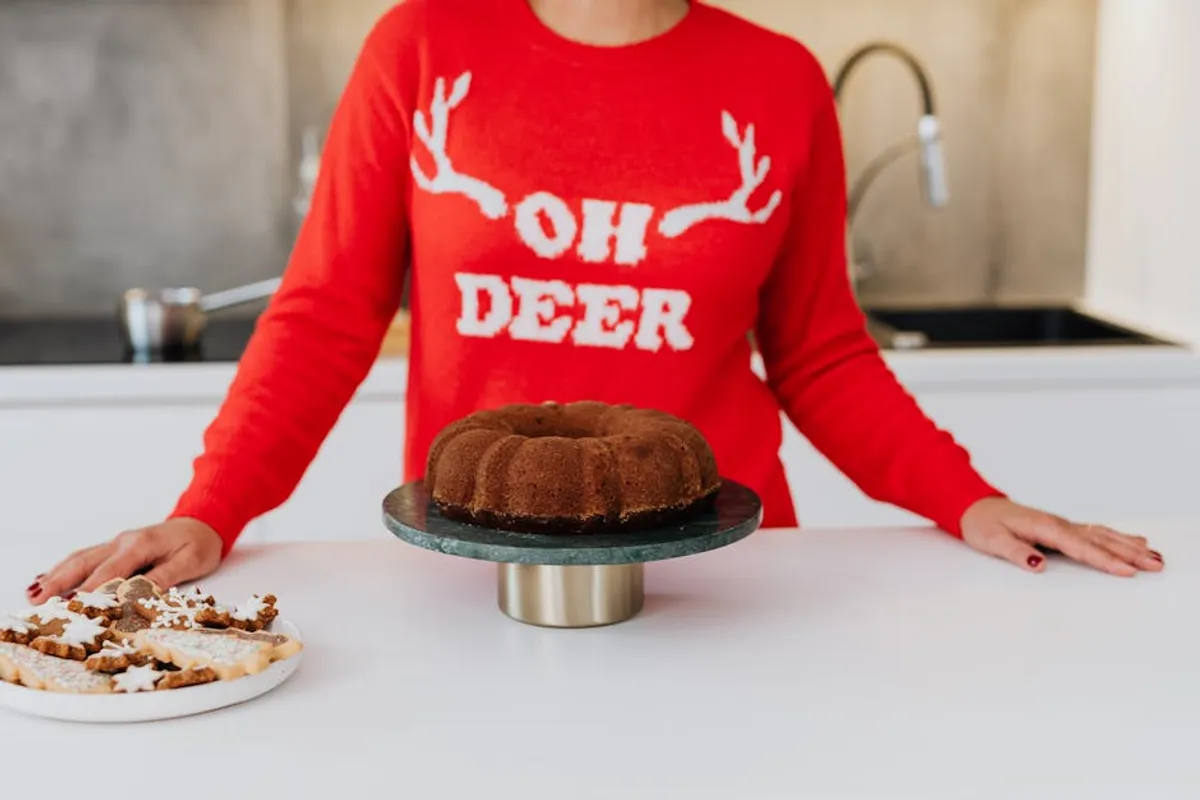
October kicks off the intensive holiday baking period with Halloween. Think spooky-themed cookies, pumpkin bread, spiced apple cider donuts, and treats incorporating fall flavors like cinnamon, nutmeg, and ginger. November is dominated by Thanksgiving, where pies are paramount—pumpkin, pecan, apple, and sweet potato are staples. This is also a time for yeast breads, dinner rolls, and other comforting, shareable bakes. December culminates the year with Christmas, Hanukkah, and New Year's celebrations. This month is dedicated to elaborate cookie platters, gingerbread houses, festive fruitcakes, panettone, and other giftable baked goods. Planning ahead for ingredient purchases and dedicating specific weekends to batch baking and decorating can significantly reduce stress during this busy time.
Optimizing Your Baking Workflow
Implementing a baking calendar extends beyond just knowing what to bake; it involves optimizing the process. Consider dedicating specific days for ingredient prep, such as pre-measuring dry ingredients or making pie crusts ahead of time. Utilize freezer-friendly recipes to spread out the workload, allowing you to bake items like cookie dough or pie fillings weeks in advance. Labeling and dating everything clearly ensures freshness and prevents waste. This structured approach not only enhances efficiency but also allows for more creative freedom, as the foundational elements are already managed.
Frequently Asked Questions About Baking Calendars
How far in advance should I plan my baking calendar?
Ideally, plan your baking calendar quarterly or even annually to align with major holidays and seasonal ingredient availability. This allows for proactive shopping and skill development.
Can I adapt a baking calendar for dietary restrictions?
Yes, a baking calendar is a framework. When selecting recipes for each month, consciously choose options that can be easily modified for gluten-free, dairy-free, or vegan diets, or plan specific weeks for these alternative bakes.
What if I miss a month or a holiday?
A baking calendar is a guide, not a rigid schedule. If you miss a planned bake, simply adjust your focus to the next upcoming event or seasonal opportunity. The goal is organization, not strict adherence.
How can I keep track of my baking calendar effectively?
Use a digital calendar, a dedicated planner, or even a simple spreadsheet. Include columns for the month, holiday/theme, specific recipes, key ingredients to purchase, and notes on preparation or serving.