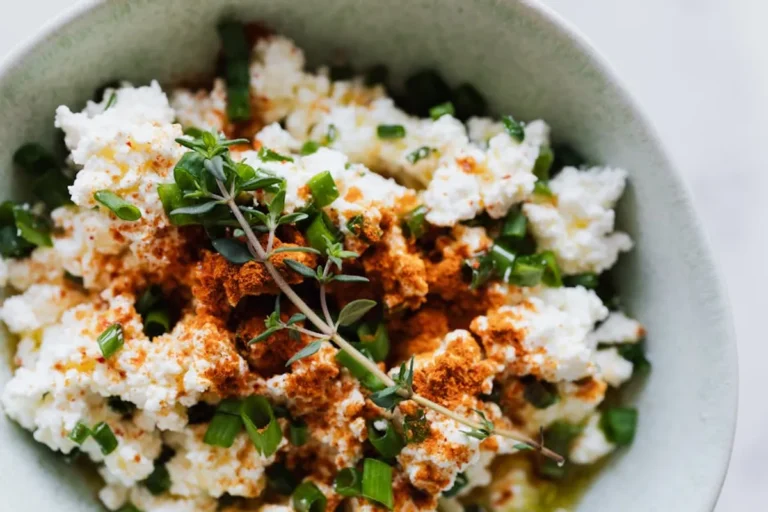
Developing content around comfort food recipes offers a consistent opportunity for publishers and content creators. This niche thrives on emotional connection, nostalgia, and a universal desire for satisfying, familiar flavors. However, merely publishing a recipe is insufficient for sustained organic growth or audience engagement. Success in this category requires a strategic approach that addresses user intent, anticipates common pitfalls, and capitalizes on the vast landscape of variations that can expand reach. For SEO professionals, marketers, and site owners, understanding the nuances of content creation in this space means moving beyond basic recipe transcription to deliver truly valuable, discoverable, and shareable experiences.
Understanding Comfort Food's Appeal for Content Creators
Comfort food, by its nature, generates consistent search interest. This isn't a trend-driven category; it's evergreen, with search volume often peaking during colder months, holidays, or periods of economic uncertainty. The commercial utility lies in its broad appeal and the potential for high engagement. Users searching for comfort food are often looking for more than just ingredients and instructions; they seek reassurance, a sense of home, and often, a story. Content that taps into these emotional drivers performs well.
- High Search Volume: Core comfort food queries (e.g., "mac and cheese recipe," "chicken pot pie") maintain significant monthly search volumes, providing a stable foundation for traffic.
- Evergreen Nature: Unlike fad diets or seasonal produce, classic comfort foods remain relevant year-round, reducing the need for constant content refreshes.
- Emotional Connection: Recipes that evoke nostalgia or provide a sense of warmth foster deeper user engagement, leading to longer time on page and repeat visits.
- Affiliate Potential: Ingredient lists, kitchen tools, and serving ware recommendations present natural affiliate marketing opportunities.
- Community Building: Comfort food content often sparks discussions, recipe modifications, and personal stories in comment sections, fostering a loyal community.
Essential Tips for Developing and Presenting Comfort Food Recipes
Authenticity and Storytelling
Authenticity resonates deeply with audiences. When presenting a comfort food recipe, consider incorporating its origin story, personal anecdotes, or cultural significance. This adds a unique layer of value beyond the functional instructions. For example, detailing how a specific dish was passed down through generations or adapted from a regional classic provides context that differentiates your content from generic recipe aggregators. This narrative element increases perceived expertise and trustworthiness, which are critical E-E-A-T signals for search engines.
Clear, Actionable Instructions
Regardless of the emotional appeal, the practical utility of a recipe remains paramount. Instructions must be unambiguous, using precise measurements and logical steps. Employing numbered lists, short paragraphs, and bolded key actions improves readability and reduces user frustration. Consider the user's journey: from gathering ingredients to plating the final dish. Each step should be clear enough for a novice cook to follow successfully. This reduces bounce rates and encourages users to explore more content on your platform.
Visual Appeal and Context
High-quality photography is non-negotiable for food content. Images should be well-lit, visually appealing, and accurately represent the finished dish. Beyond the final product, consider including step-by-step photos, ingredient flat lays, or even short video clips demonstrating techniques. Visuals break up text, enhance user experience, and are crucial for social sharing. Ensure images are optimized for web performance (file size, alt text) to maintain page speed and accessibility.
Ingredient Sourcing and Substitutions
Practicality for the home cook includes ingredient accessibility. Provide specific details on where to source unique ingredients, or, more commonly, offer viable substitutions. For instance, if a recipe calls for a specific type of cheese, suggest readily available alternatives. This foresight reduces barriers to entry for users and positions your content as helpful and considerate. Addressing common dietary restrictions or preferences with suggested ingredient swaps can also significantly broaden your audience reach.
Common Mistakes to Avoid in Comfort Food Content
Overcomplicating Simplicity
The essence of comfort food often lies in its straightforward nature. A common mistake is to introduce unnecessary complexity, exotic ingredients, or overly elaborate techniques that deter the average home cook. While culinary innovation has its place, comfort food content should prioritize accessibility and ease of execution. Users searching for "easy weeknight dinner" are not looking for a multi-day culinary project.
Neglecting Cultural Nuance
Many comfort foods have deep cultural roots. Failing to acknowledge or respect these origins, or misrepresenting traditional preparations, can alienate segments of your audience. Research the history and cultural context of dishes before publishing. Providing accurate information not only enriches the content but also demonstrates respect and authority, building trust with a diverse readership.
Inconsistent Recipe Testing
Publishing untested or poorly tested recipes erodes credibility rapidly. Every recipe should be thoroughly tested multiple times to ensure accuracy of ingredients, measurements, cooking times, and yields. Inconsistent results lead to user frustration and high bounce rates. Detail the testing process if possible, or include notes on variations encountered during testing, to build confidence in your content.
Ignoring User Intent
Content must align with the primary user intent behind a search query. A recipe titled "Quick Chicken Noodle Soup" should genuinely be quick. If a user is looking for a "budget-friendly meal," the recipe should reflect that in its ingredient cost and preparation. Misalignment between title/description and actual content leads to poor user experience signals and reduced search visibility over time.
Pro Tip: When developing comfort food recipes, always consider the "why" behind the search. Is the user seeking speed, nostalgia, dietary adaptation, or a specific regional flavor? Tailoring your content to these underlying motivations, not just the keywords, will significantly improve engagement and organic performance.
Exploring Variations and Adaptations for Broader Reach
Dietary Restrictions and Preferences
Adapting classic comfort foods for various dietary needs opens up significant content opportunities. Think "gluten-free mac and cheese," "vegan shepherd's pie," or "low-carb mashed cauliflower." Each adaptation targets a specific, often underserved, search segment. Clearly label these variations and provide precise instructions for the modifications, ensuring the core "comfort" aspect remains intact.
Regional and International Twists
Many comfort foods have regional or international counterparts. Exploring these variations can create a rich tapestry of content. For example, contrasting American meatloaf with British shepherd's pie, or exploring different regional chili recipes, provides comparative content that appeals to users interested in culinary diversity. This approach also allows for cross-linking opportunities within your content library.
Modern Interpretations and Fusion
While authenticity is important, there's also room for modern twists or fusion approaches. This could involve incorporating trending ingredients, using new cooking techniques (e.g., instant pot versions of slow-cooker classics), or combining elements from different cuisines. These variations can attract a younger, more adventurous audience while still leveraging the foundational appeal of comfort food.
Batch Cooking and Meal Prep Focus
Positioning comfort food recipes for batch cooking or meal preparation appeals to busy individuals and families. Content that includes instructions for freezing, reheating, and portioning adds practical value. This focus can tap into search queries related to "make ahead meals," "freezer-friendly dinners," or "weekly meal prep," expanding the commercial utility of your recipe content.
Optimizing Comfort Food Content for Discovery
To ensure your comfort food recipes reach their intended audience, focus on comprehensive on-page optimization. Implement schema markup for recipes to enhance search engine visibility with rich snippets, displaying ratings, cook times, and calorie information directly in search results. Structure content with clear headings (H2, H3) that incorporate relevant keywords. Internally link related recipes and articles to improve site navigation and distribute link equity. Monitor search performance for long-tail keywords related to specific ingredients, dietary needs, or regional variations, and adapt your content strategy accordingly. Engage with user comments and questions to identify content gaps or areas for improvement, fostering a dynamic and user-centric content ecosystem. For those new to the kitchen, a simple guide to comfort food recipes can be an excellent starting point.
Frequently Asked Questions
What is the most effective way to structure a comfort food recipe for SEO?
Structure recipes with a clear title, an engaging introductory paragraph, a concise ingredient list, numbered step-by-step instructions, and a concluding note. Implement Recipe schema markup to provide structured data to search engines, and include high-quality, optimized images and video where appropriate.
How can I generate new comfort food recipe ideas consistently?
Monitor trending ingredients, explore regional and international cuisines, adapt classic recipes for dietary restrictions, and engage with your audience for suggestions. Analyze search query data for long-tail variations and emerging interests related to comfort foods.
Should I prioritize classic versions or modern variations of comfort food recipes?
A balanced approach is often best. Classic versions provide a stable foundation of evergreen traffic, while modern variations (e.g., gluten-free, vegan, instant pot) target specific, growing niches. Develop both, ensuring each piece of content clearly addresses its target audience and intent.
How important are user reviews and ratings for comfort food recipes?
User reviews and ratings are crucial for building trust and social proof. They signal quality to both potential users and search engines. Encourage users to leave feedback, and consider displaying average ratings prominently, especially within your Recipe schema markup.