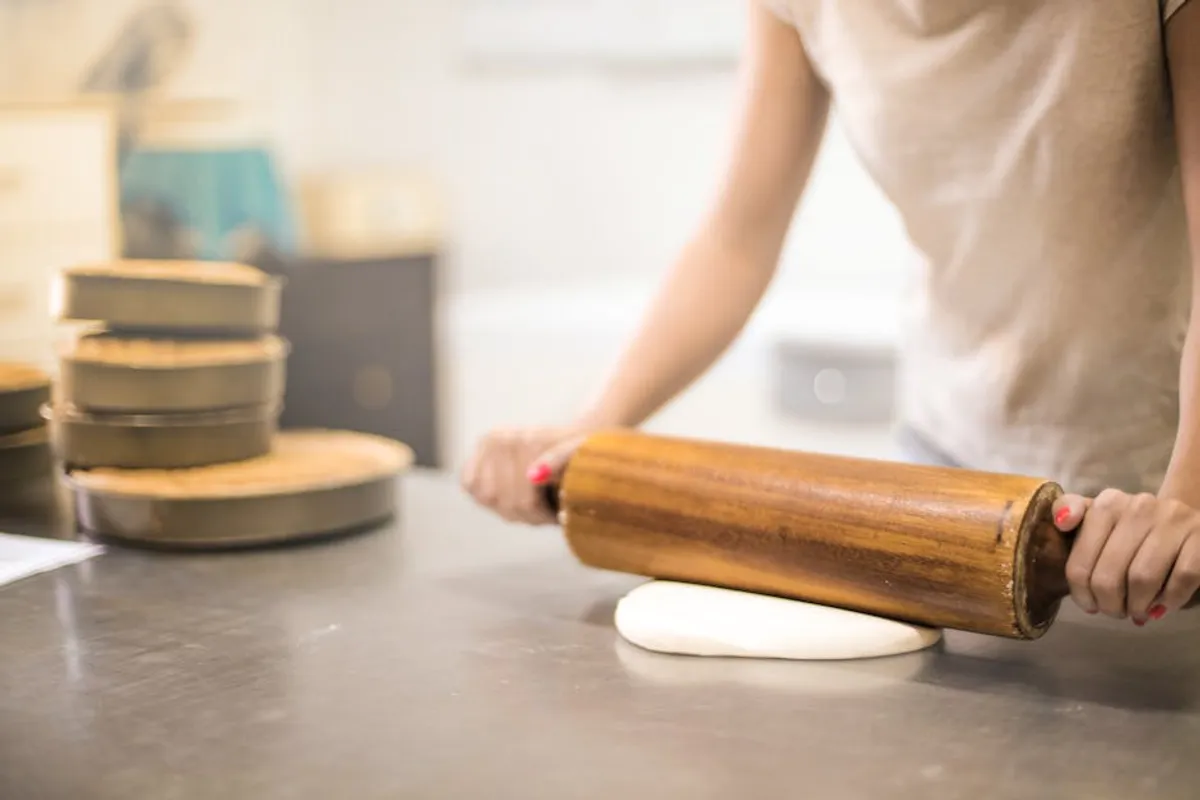
Achieving consistent, high-quality baked goods requires more than just following a recipe; it demands an understanding of foundational techniques and precision. For beginners, small adjustments to common practices can yield significantly better results, transforming inconsistent outcomes into reliably delicious creations. This guide focuses on practical, actionable tips that address the most common pitfalls faced by new bakers, emphasizing the 'why' behind each recommendation to build a stronger understanding of the baking process.
Mastering Ingredient Fundamentals
The quality and condition of your ingredients directly impact the final product. Understanding how each component functions is critical for successful baking.
Ingredient Temperature Matters
Many recipes specify room temperature ingredients for a reason. Butter, for instance, creams more effectively with sugar when softened, creating tiny air pockets essential for a light, airy texture in cakes and cookies. Cold butter, conversely, will not emulsify properly, leading to a dense product. Similarly, room temperature eggs integrate smoothly into batters, preventing curdling and ensuring a uniform mixture. For ingredients like milk or buttermilk, bringing them to room temperature prevents them from chilling the butter or other fats, which can cause them to seize up and create a lumpy batter.
Accurate Measurement is Non-Negotiable
Baking is a science, and precise measurements are paramount. Unlike cooking, where a pinch more or less often goes unnoticed, even slight deviations in baking can alter the chemical reactions that dictate texture, rise, and flavor.
- Use a Digital Scale: For dry ingredients like flour, sugar, and oats, a digital kitchen scale provides the most accurate measurement by weight. Volume measurements (cups) can vary significantly based on how ingredients are packed or scooped.
- Level Dry Ingredients: When using measuring cups for dry ingredients, spoon the ingredient into the cup until overflowing, then level it off with a straight edge (like the back of a knife) without packing it down.
- Liquid Measurements: Use clear liquid measuring cups with a spout, placing them on a flat surface and reading at eye level to ensure accuracy.
Precision in Process: Oven and Mixing
Beyond ingredients, the environment and technique during baking are equally influential. Overlooking these steps can undermine even perfectly measured ingredients.
Preheat Your Oven Thoroughly
An accurately preheated oven is crucial. Many ovens take longer than their indicator light suggests to reach and stabilize at the set temperature. Opening the oven door to insert your goods into a still-heating oven can drastically affect rise and texture, especially for delicate items like soufflés or cakes. Invest in an inexpensive oven thermometer to verify your oven's actual temperature. Many home ovens run hot or cold by 25-50 degrees Fahrenheit, requiring adjustments to recipe temperatures.
Understanding Mixing Techniques
The way ingredients are combined affects gluten development and air incorporation, directly influencing the final texture.
Creaming Method: For butter and sugar, beat until light and fluffy. This incorporates air, which is vital for leavening. Over-creaming can incorporate too much air, leading to collapse, while under-creaming results in a dense product.
Folding: Used to gently combine delicate ingredients like whipped egg whites or cream into a batter without deflating the air. This technique maintains lightness.
Do Not Overmix: For flour-based batters (cakes, muffins, quick breads), overmixing develops gluten excessively, leading to tough, chewy results. Mix only until ingredients are just combined and no streaks of flour remain.
Pro Tip: Resist the urge to open your oven door during the first two-thirds of baking time, especially for cakes, soufflés, and cheesecakes. The sudden drop in temperature can cause delicate structures to collapse, leading to sunken centers and uneven textures. Trust the process and use your oven light to check progress.
Essential Tools and Practical Habits
Having the right equipment and adopting smart habits simplifies the baking process and improves outcomes.
Equip Your Kitchen Smartly
You don't need every gadget, but a few key tools make a significant difference:
- Digital Kitchen Scale: For precise ingredient measurement.
- Oven Thermometer: To verify and adjust oven temperature.
- Good Quality Baking Pans: Light-colored metal pans conduct heat evenly; dark pans can over-bake edges.
- Parchment Paper or Silicone Mats: Prevents sticking, ensures even browning, and simplifies cleanup.
- Rubber Spatulas: Essential for scraping bowls thoroughly and folding delicate mixtures.
- Whisks: For aerating and combining dry ingredients, or whipping wet ones.
Cooling Correctly
Once baked, proper cooling is as important as baking itself. Most baked goods need to cool completely on a wire rack. This allows air circulation, preventing condensation that can make bottoms soggy. For cakes, cooling in the pan for a short period (10-15 minutes) before inverting onto a rack helps them firm up and prevents breakage.
Elevating Your Baking Practice
Consistent, successful baking comes from understanding the underlying principles and meticulously executing each step. By focusing on ingredient quality, precise measurement, oven accuracy, and appropriate mixing techniques, beginners can overcome common challenges. These foundational tips serve as a springboard for more complex recipes, building confidence and competence with every batch. The goal is not just to follow a recipe, but to understand the science, allowing for informed adjustments and truly remarkable results.
Frequently Asked Questions
Why is ingredient temperature so important in baking?
Ingredient temperature impacts how ingredients interact. Room temperature fats like butter cream better with sugar, incorporating air for a lighter texture. Cold eggs or liquids can cause fats to seize, leading to a lumpy batter and affecting the final product's texture.
Can I substitute ingredients in baking recipes?
Generally, it is best to avoid substitutions as a beginner. Baking relies on precise chemical reactions, and altering ingredients, especially leavening agents (baking soda/powder), fats, or flours, can significantly change the outcome. Once you understand the role of each ingredient, you can experiment more confidently.
How do I know if my oven temperature is accurate?
The most reliable way is to use an independent oven thermometer. Place it inside your oven and compare its reading to your oven's display. If there's a consistent discrepancy, you'll need to adjust your recipe's baking temperature accordingly (e.g., if your oven runs 25 degrees cold, set it 25 degrees higher than the recipe specifies).
What's the difference between baking soda and baking powder?
Both are chemical leavening agents, but they work differently. Baking soda requires an acid (like buttermilk, yogurt, or lemon juice) to activate and produce carbon dioxide. Baking powder is baking soda with an added acid and cornstarch, meaning it's self-contained and only needs liquid to activate. Many recipes use both for different reasons.