Creating recipe cards that readers can save extends beyond simply presenting ingredients and instructions. For publishers, this functionality represents a critical intersection of user experience and search engine optimization, directly impacting site engagement, discoverability, and long-term audience retention. The objective is to provide a seamless, valuable interaction that encourages repeat visits and positions your content favorably in search results. This requires a deliberate approach to structured data, design, and interactive features, ensuring your recipes are not only discoverable but also genuinely useful to the end-user.
Establishing Foundational Discoverability with Structured Data
The primary mechanism for making recipe content discoverable and eligible for rich results in search engines is through Schema.org/Recipe structured data. Implementing this markup accurately allows search engines to understand the specific components of your recipe, such as ingredients, cooking times, and nutritional information, presenting them in an enhanced format directly within search results. This can significantly increase click-through rates by offering users immediate, relevant details.
Essential Schema.org/Recipe Properties
To maximize discoverability and provide comprehensive data to search engines, specific properties within the Schema.org/Recipe type are crucial. Each property serves a distinct purpose in informing search engines and potential readers:
- name: The title of the recipe. This is fundamental for identification.
- image: A high-quality photograph of the finished dish. Visual appeal is a strong driver for recipe selection.
- description: A concise summary of the recipe, its origin, or unique characteristics. This provides context.
- recipeIngredient: A list of all necessary ingredients. This allows users to quickly assess availability and dietary relevance.
- recipeInstructions: Step-by-step guidance for preparing the dish. Clarity here is paramount for user success.
- prepTime: The estimated time required for preparation. This helps users plan their cooking schedule.
- cookTime: The estimated time required for cooking. Essential for time management.
- totalTime: The sum of prepTime and cookTime. Provides an overall time commitment.
- nutritionInformation: Detailed nutritional facts (calories, fat, protein, etc.). Increasingly important for health-conscious users.
- aggregateRating: User-generated ratings and reviews. Social proof influences user trust and selection.
- recipeCategory: Classification of the recipe (e.g., "dessert," "main course"). Aids in categorization and filtering.
- cuisine: The culinary tradition or origin (e.g., "Italian," "Mexican"). Helps users find specific types of food.
Implementing these properties, typically via JSON-LD within the HTML head or body, ensures search engines have a structured understanding of your content. This precision is what enables rich snippets, image carousels, and other enhanced search features that capture user attention.
Pro Tip: After implementing Schema.org markup, always validate your structured data using Google's Rich Results Test. This tool identifies errors and warnings, ensuring your markup is correctly parsed and eligible for rich results. Unvalidated or incorrectly implemented schema can negate its SEO benefits entirely.
Crafting a User-Centric Experience: Print and Save Features
Beyond search engine visibility, the ability for readers to easily save or print recipes directly impacts their utility and your site's perceived value. A well-executed save function encourages repeat engagement, while a clean print option enhances offline usability.
Optimizing for Print
A dedicated print button is a standard expectation for recipe content. When a user prints a recipe, the output should be clean, legible, and free of extraneous website elements like navigation menus, sidebars, or advertisements. This means using CSS media queries to define a print-specific stylesheet that:
- Removes non-essential page elements.
- Adjusts font sizes and line spacing for optimal readability on paper.
- Ensures images are appropriately sized and placed, or removed if not critical.
- Minimizes ink usage by using dark text on a white background.
- Includes the recipe title and source URL for attribution and future reference.
Benefit: A print-friendly format ensures the recipe remains usable even without a screen, fostering a practical connection with your content that offline access provides.
Facilitating Digital Saving and Bookmarking
Readers save recipes in various ways, and providing multiple options caters to different user preferences. These methods extend the lifespan of your content beyond the initial visit:
- On-Site "Save to Favorites" Functionality: For publishers with user accounts, offering a personalized "My Recipes" or "Favorites" section allows users to curate their own collection directly on your platform. This creates a compelling reason for users to register, log in, and return to your site.
- Browser Bookmarking: While a native browser feature, ensuring your recipe pages have clear, descriptive titles helps users quickly identify saved links in their browser's bookmark list.
- Social Sharing Buttons with "Save" Intent: Platforms like Pinterest are critical for recipe discovery and saving. Integrating a prominent "Pin It" button allows users to save your recipe images and links to their personal boards, driving traffic back to your site from a highly engaged audience.
- "Add to Home Screen" (PWA): For sites implementing Progressive Web App (PWA) features, enabling users to "install" your site as an app on their mobile device can offer a more integrated saving and access experience.
Each saving mechanism serves to embed your content more deeply into a user's digital routine, increasing the likelihood of future interaction and reducing reliance on search engine re-discovery.
Design and Accessibility Considerations
The visual presentation and accessibility of your recipe cards are as important as their underlying data structure. A well-designed card enhances readability and encourages interaction.
- Clear Typography: Use legible fonts, sufficient font sizes (especially for ingredients and instructions), and strong contrast between text and background.
- Logical Layout: Group related information (ingredients together, instructions in sequence). Use headings and bullet points to break up text.
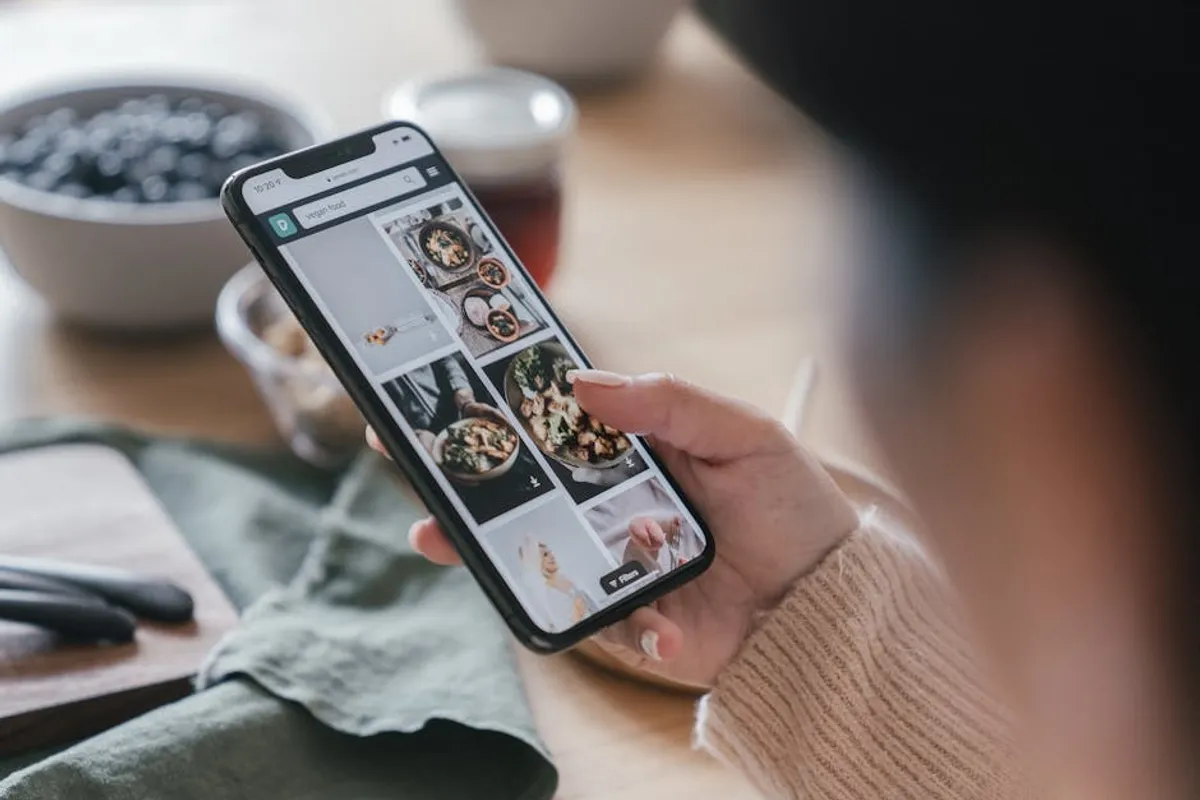
- Mobile Responsiveness: Ensure recipe cards adapt seamlessly to various screen sizes. Mobile users often cook with their devices, so a functional, easy-to-read layout on smartphones is non-negotiable.
- Image Quality: High-resolution, appealing food photography is crucial. Images should be optimized for web performance to avoid slow loading times.
- Interactive Elements: Consider features like checkboxes next to ingredients (for shopping lists) or instruction steps (to track progress).
Actionable Steps for Publishers
To implement savable recipe cards effectively, prioritize these areas:
- Structured Data Audit: Review existing recipe content for Schema.org/Recipe implementation. Use validation tools to identify and correct errors.
- User Testing for Print: Test your print functionality across different browsers and devices to ensure a consistent, clean output.
- Integrate Saving Features: Evaluate the feasibility of on-site "favorites" for registered users and ensure prominent social sharing buttons (e.g., Pinterest) are present.
- Mobile-First Design: Prioritize the design and functionality of recipe cards on mobile devices, as a significant portion of recipe consumption occurs there.
- Content Enrichment: Ensure all essential Schema.org properties are populated with accurate and comprehensive information for each recipe.
By focusing on both the technical underpinnings of structured data and the practical needs of your audience, you can create recipe cards that not only rank well but also become indispensable tools for your readers, fostering a loyal and engaged community.
Frequently Asked Questions
What is the most important element for a savable recipe card?
The most critical element is accurate and comprehensive Schema.org/Recipe structured data. This enables search engines to understand your content, making it eligible for rich results and significantly improving discoverability, which is the first step toward a user saving it.
Do I need a special plugin to create recipe cards?
While many content management systems offer plugins or modules specifically designed for recipe cards that handle structured data and display, it is not strictly required. You can implement JSON-LD structured data manually and style the front-end display using custom code. However, plugins often streamline the process, especially for sites with a large volume of recipes.
How can I encourage readers to save my recipes?
Beyond providing the technical means (print buttons, social share options), encourage saving through clear calls to action, high-quality photography, and compelling recipe descriptions. Highlighting user ratings and reviews can also build trust and motivate users to keep the recipe for future use.
Will adding too many features slow down my page load speed?
Any additional feature can potentially impact page load speed. However, well-optimized structured data is lightweight. Print stylesheets load only when needed, and social sharing buttons can be implemented efficiently. Focus on optimizing image sizes and using asynchronous loading for scripts to minimize performance impact while still delivering valuable features.