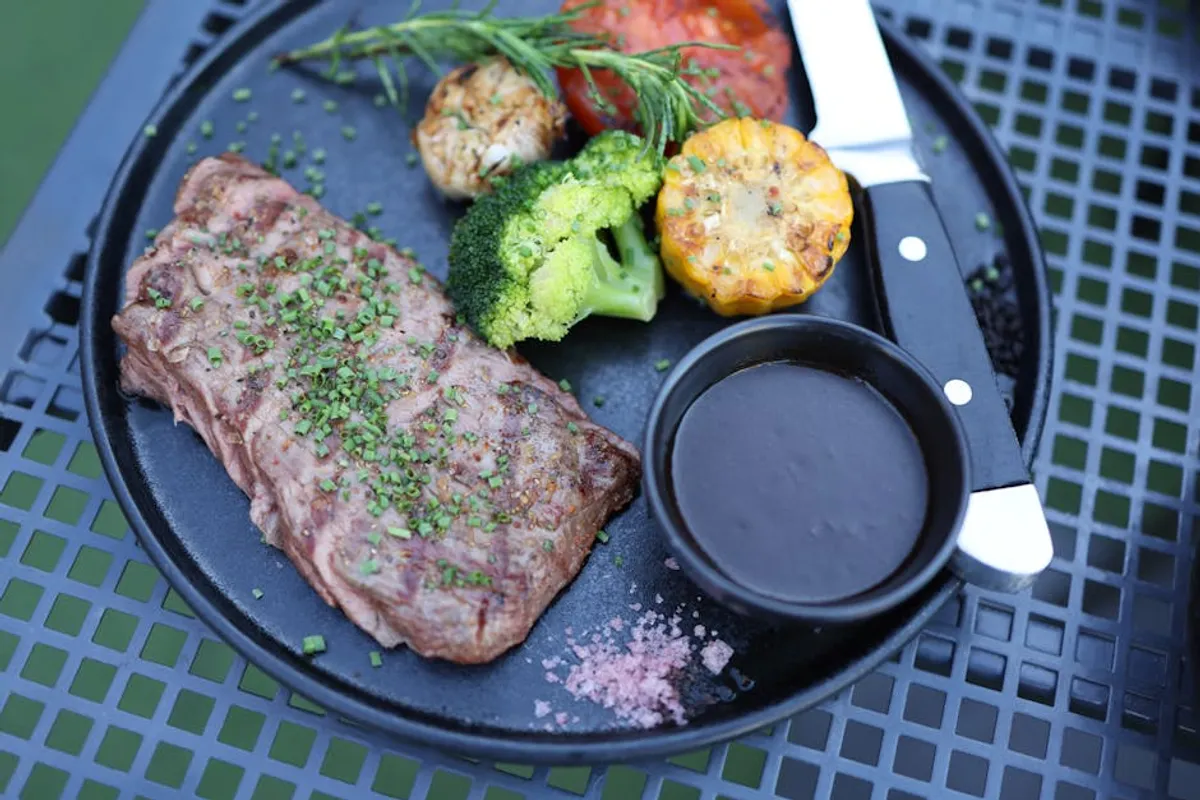
Reheating steak often presents a challenge: the goal is to revive its warmth and flavor without sacrificing its original tenderness or succulence. Many home cooks face the dilemma of a perfectly cooked steak turning dry and tough when reheated improperly. The key to successful steak reheating lies in understanding how to apply gentle, even heat that brings the internal temperature up gradually, minimizing moisture loss and preventing the muscle fibers from seizing up and becoming chewy. This guide outlines several effective methods, detailing their specific applications and the precise steps required to restore your steak to a near-original state of enjoyment.
Preparing Your Steak for Reheating
Before any heat is applied, proper preparation significantly impacts the final outcome. Steak stored correctly and brought to the right starting temperature will reheat more uniformly and retain better texture.
Optimal Storage Practices
For best results, leftover steak should be stored in an airtight container in the refrigerator within two hours of its initial cooking. This prevents bacterial growth and helps maintain moisture. When ready to reheat, plan to consume the steak within three to four days of its original preparation.
Bringing Steak to Room Temperature
Regardless of the reheating method chosen, allowing your steak to sit at room temperature for 15-30 minutes before reheating is a critical step. This reduces the thermal shock when it hits a hot surface or oven, promoting more even heating from the outside in. Cold steak requires more aggressive heat for longer, increasing the risk of overcooking the exterior while the interior struggles to warm.
Reheating Methods for Superior Results
Each reheating method offers distinct advantages based on the steak's thickness, desired texture, and available equipment. Selecting the appropriate technique is crucial for preserving quality.
Oven Method: Gentle and Even Heat
The oven provides a controlled environment for reheating, making it particularly effective for thicker cuts or multiple portions. This method slowly raises the steak's internal temperature without aggressively cooking the exterior.
- Steps:
- Preheat your oven to a low temperature, typically 250°F (120°C).
- Place the steak on a wire rack set over a baking sheet. This allows air to circulate around the steak, promoting even heating and preventing a soggy bottom.
- Insert a meat thermometer into the thickest part of the steak.
- Heat for 15-30 minutes, or until the internal temperature reaches your desired level (e.g., 120-125°F for medium-rare). Timing will vary based on steak thickness and initial temperature.
- Once the desired internal temperature is reached, remove the steak from the oven.
- For a crisp exterior, transfer the steak to a hot, lightly oiled skillet (cast iron works best) over medium-high heat. Sear for 60-90 seconds per side until a light crust forms.
Best for: Thicker cuts (1 inch or more), multiple steaks, achieving a consistently warm interior.
Stovetop Method: Quick Sear for Thinner Cuts
The stovetop method is ideal for thinner steaks or when a rapid reheat with a fresh sear is desired. It's efficient but requires careful monitoring to prevent overcooking.
- Steps:
- Ensure the steak has come to room temperature.
- Heat a heavy-bottomed skillet (cast iron or stainless steel) over medium-high heat. Add a small amount of high smoke point oil (e.g., grapeseed, avocado) or butter.
- Once the oil shimmers or butter foams, place the steak in the pan.
- Sear for 2-3 minutes per side, depending on thickness and desired doneness. The goal is to develop a crust while warming the interior.
- Use tongs to sear the edges briefly if applicable.
- Check the internal temperature with a meat thermometer; aim for 120-125°F for medium-rare.
Best for: Thinner cuts (under 1 inch), single portions, achieving a fresh, seared crust quickly.
Sous Vide Method: Precision and Moisture Retention
For unparalleled moisture retention and precise temperature control, the sous vide method excels. It brings the steak to an exact internal temperature without any risk of overcooking, followed by a quick sear for texture.
- Steps:
- Set your sous vide water bath to your desired final serving temperature (e.g., 129°F for medium-rare).
- Place the leftover steak in a vacuum-sealable bag with a pat of butter or a sprig of herbs, then vacuum seal it.
- Submerge the bag in the preheated water bath for 45-60 minutes, or until fully heated through. The steak cannot overcook with this method once it reaches the target temperature.
- Remove the steak from the bag, pat it thoroughly dry with paper towels. This is crucial for a good sear.
- Heat a cast iron skillet over high heat with a small amount of high smoke point oil.
- Sear the steak for 60-90 seconds per side, rotating to sear the edges, until a rich, brown crust forms.
Best for: Achieving perfectly uniform internal temperature, maximum moisture retention, thicker cuts, and a restaurant-quality finish.
Air Fryer Method: Convenience with a Crisp
The air fryer offers a convenient way to reheat steak, providing a crispy exterior similar to pan-searing with less hands-on effort. It's best for individual portions and requires careful timing to prevent drying. If you're looking for other quick and easy options, consider exploring our collection of air fryer snacks for more ideas.
- Steps:
- Preheat your air fryer to 350-375°F (175-190°C) for 5 minutes.
- Lightly brush the steak with a small amount of oil or melted butter to help with browning and prevent drying.
- Place the steak in the air fryer basket in a single layer, ensuring it's not overcrowded.
- Cook for 3-5 minutes, flipping halfway through.
- Check the internal temperature; aim for 120-125°F for medium-rare. Adjust cooking time as needed.
Best for: Speed, convenience, individual portions, achieving a crispy exterior with minimal oil.
Pro Tip: Always use an instant-read meat thermometer to ensure your steak reaches a safe internal temperature of 135-140°F (57-60°C) for medium-rare, or higher to your preference, without overcooking the exterior. Visual cues alone are often misleading when reheating.
Final Touches for Optimal Flavor
Regardless of the reheating method, a few final steps can significantly enhance the steak's flavor and texture.
Resting and Slicing
After reheating, allow the steak to rest for 5-10 minutes before slicing. This allows the juices, which have migrated to the center during heating, to redistribute throughout the meat, ensuring a more tender and flavorful bite. Always slice against the grain to shorten the muscle fibers, making the steak easier to chew.
Enhancing Flavor
Consider adding a pat of compound butter, a drizzle of high-quality olive oil, or a sprinkle of flaky sea salt and freshly ground black pepper just before serving. These small additions can elevate the reheated steak's profile, masking any slight changes from its original state.
Frequently Asked Questions
Can you reheat steak twice?
While technically possible, reheating steak more than once is generally not recommended. Each reheating cycle further degrades the meat's texture and flavor, increasing the likelihood of a dry, tough outcome and potentially raising food safety concerns if not handled properly.
What's the best way to reheat rare steak?
For rare steak, the sous vide method followed by a quick, high-heat sear is superior. It allows you to bring the steak to a precise, low internal temperature (e.g., 125°F / 52°C) without cooking it further, preserving its rarity and tenderness. The oven method at a very low temperature (200-225°F) is a good alternative.
How do you prevent steak from drying out when reheating?
Preventing dryness involves several strategies: bringing the steak to room temperature before reheating, using low, gentle heat (oven or sous vide), covering the steak during reheating (especially in the oven), adding a small amount of liquid (like beef broth) or fat (butter), and crucially, not overcooking it past the desired internal temperature.
Is it safe to reheat steak?
Yes, it is safe to reheat steak provided it was properly stored (refrigerated within two hours of initial cooking) and heated to a safe internal temperature. For food safety, ensure the steak reaches at least 135-140°F (57-60°C) to eliminate potential bacteria, though higher temperatures may be preferred for texture.