Crafting homemade dumplings offers a distinct advantage over relying on pre-made alternatives, primarily in achieving superior flavor profiles, precise ingredient control, and significant cost efficiency. This guide outlines a streamlined process for creating versatile, savory dumplings from scratch, focusing on foundational techniques applicable to various fillings and cooking methods. The objective is to equip home cooks with the practical knowledge to consistently produce high-quality dumplings, maximizing both culinary satisfaction and value.
Dough Preparation: The Essential Foundation
The dough forms the structural and textural backbone of any dumpling. A well-made dough is pliable, easy to work with, and capable of holding its shape through various cooking processes. The key to achieving this lies in precise hydration and adequate kneading.
For a standard, resilient dumpling wrapper, a simple combination of all-purpose flour and water is sufficient. The ratio is critical: aim for approximately 1 cup of all-purpose flour to ½ cup of hot water. Using hot water (around 180-200°F or 82-93°C) helps to hydrate the flour more thoroughly, resulting in a softer, more elastic dough that is easier to roll and less prone to tearing during shaping and cooking.
- Ingredients:
- 2 cups (240g) all-purpose flour
- 1 cup (240ml) hot water (just off the boil)
- Pinch of salt (optional, for flavor)
Method: Combine flour and salt in a large bowl. Gradually add hot water, stirring with chopsticks or a fork until a shaggy dough forms. Turn the dough out onto a lightly floured surface and knead for 5-7 minutes until smooth and elastic. The dough should feel firm but spring back when pressed. Cover with plastic wrap and let it rest for at least 30 minutes at room temperature. This resting period allows the gluten to relax, making the dough much easier to roll thinly.
Filling Composition: Flavor and Texture Balance
The filling dictates the primary flavor profile of the dumpling. A balanced filling should offer a combination of savory notes, textural contrast, and sufficient moisture without being watery. Common bases include ground pork, chicken, shrimp, or a variety of vegetables.
For a classic pork and cabbage filling, the goal is to extract excess moisture from the cabbage to prevent a soggy dumpling, while ensuring the meat remains juicy. Incorporating aromatics like ginger, garlic, and scallions is crucial for depth of flavor.
Example Pork & Cabbage Filling:
- 1 lb (450g) ground pork (preferably with 20-30% fat for juiciness)
- 2 cups finely chopped Napa cabbage (salted and squeezed to remove water)
- ¼ cup finely minced scallions
- 2 tablespoons minced fresh ginger
- 1 tablespoon minced garlic
- 2 tablespoons soy sauce
- 1 tablespoon sesame oil
- 1 teaspoon white pepper
- 1 tablespoon cornstarch (acts as a binder and retains moisture)
Method: In a large bowl, combine all filling ingredients. Mix thoroughly by hand for 2-3 minutes until the mixture becomes pasty and cohesive. This ensures even distribution of flavors and helps the filling bind together, preventing it from crumbling during cooking.
Pro Tip: To verify the seasoning of your filling before assembly, take a small teaspoon-sized portion and microwave it for 15-20 seconds, or pan-fry it until cooked through. Taste and adjust salt, soy sauce, or other seasonings as needed. This prevents an entire batch of dumplings from being under or over-seasoned.
Shaping Techniques: Form and Function
Proper shaping is essential for both the aesthetic appeal and structural integrity of the dumpling. A well-sealed dumpling prevents the filling from escaping during cooking and contributes to an even texture. While numerous folding styles exist, mastering a simple pleat ensures a secure closure.
Rolling the Dough: Divide the rested dough into four equal portions. Roll each portion into a log about 1 inch (2.5 cm) in diameter. Cut each log into 12-15 equal pieces. On a lightly floured surface, flatten each piece into a disk. Using a small rolling pin, roll each disk into a thin, round wrapper, about 3-3.5 inches (7.5-9 cm) in diameter, with slightly thinner edges than the center. This allows for easier pleating and a less doughy bite.
Folding Method (Half-Moon Pleat):
- Place about 1 tablespoon of filling in the center of a wrapper. Avoid overfilling.
- Fold the wrapper in half to create a half-moon shape, pinching the very center closed.
- Starting from one end of the pinched center, create small pleats along the top edge of the wrapper, pressing each pleat firmly against the bottom edge.
- Continue pleating until you reach the other end, ensuring the entire seam is tightly sealed.
- Place finished dumplings on a parchment-lined tray, ensuring they do not touch to prevent sticking.
Cooking Methods: Achieving Desired Texture
The chosen cooking method significantly influences the final texture of the dumpling. Each method offers a distinct sensory experience, from crisp pan-fried exteriors to tender, steamed wrappers.
Pan-Frying (Potstickers)
Best for: Achieving a crispy, golden-brown bottom and a tender, steamed top.
Method: Heat 1-2 tablespoons of neutral oil in a non-stick skillet over medium-high heat. Arrange dumplings in a single layer, ensuring they do not touch. Fry for 2-3 minutes until the bottoms are golden brown. Carefully pour in about ½ cup of water (or chicken broth for added flavor), immediately cover the skillet, and reduce heat to medium-low. Steam for 8-10 minutes, or until the water has evaporated and the filling is cooked through. Remove the lid and continue frying for another 1-2 minutes to re-crisp the bottoms.
Boiling
Best for: A soft, chewy wrapper and juicy filling, often served in broth or with a dipping sauce.
Method: Bring a large pot of salted water to a rolling boil. Carefully drop dumplings into the boiling water, stirring gently to prevent sticking. Cook in batches to avoid overcrowding the pot, which can lower water temperature. Boil for 6-8 minutes, or until the dumplings float to the surface and the filling is cooked. Drain well before serving.
Steaming
Best for: A delicate, translucent wrapper and a very tender filling.
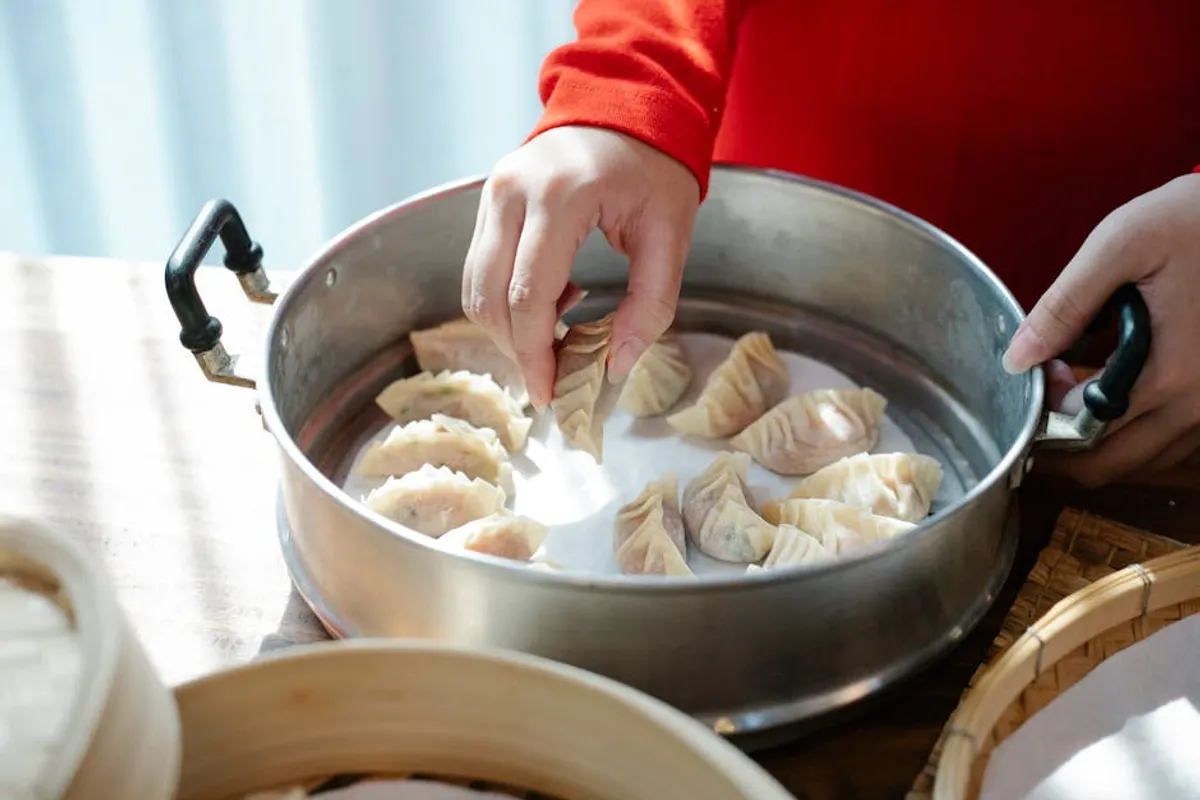
Method: Line a bamboo steamer basket with parchment paper or cabbage leaves to prevent sticking. Arrange dumplings in a single layer, leaving space between them. Place the steamer over a pot of simmering water, ensuring the water does not touch the bottom of the basket. Cover and steam for 10-12 minutes, or until wrappers are translucent and fillings are cooked through.
Serving and Storage: Maximizing Enjoyment and Shelf Life
Homemade dumplings are best enjoyed immediately after cooking. Serve with a simple dipping sauce, such as a mixture of soy sauce, rice vinegar, a dash of sesame oil, and chili flakes. For longer-term use, uncooked dumplings freeze exceptionally well.
To freeze, arrange freshly made, uncooked dumplings in a single layer on a parchment-lined baking sheet. Freeze for 1-2 hours until solid. Once frozen, transfer them to an airtight freezer-safe bag or container. They can be stored for up to 3 months. Cook frozen dumplings directly from the freezer using any of the methods above, adding a few extra minutes to the cooking time.
Mastering the Craft
The process of making homemade dumplings is highly adaptable, allowing for extensive customization of both dough and filling. Experiment with different flour types for varied textures, or incorporate finely chopped vegetables and alternative proteins into your fillings. Precision in ingredient measurement, thorough mixing, and careful sealing are the primary determinants of success. Consistent practice refines rolling and folding techniques, leading to more uniform and efficient production. This foundational guide provides a reliable framework, enabling consistent, high-quality results and encouraging further culinary exploration.
Frequently Asked Questions
What kind of flour is best for dumpling wrappers?
All-purpose flour is the most common and versatile choice, providing a good balance of elasticity and tenderness. For a chewier texture, some recipes incorporate a small amount of bread flour or a blend of all-purpose and cake flour for a softer wrapper.
Can I make dumpling dough ahead of time?
Yes, dumpling dough can be prepared up to 24 hours in advance. After kneading, wrap it tightly in plastic wrap and refrigerate. Allow it to come to room temperature for about 30 minutes before rolling to restore its pliability.
How do I prevent dumplings from sticking to the steamer or pan?
When steaming, line the steamer basket with parchment paper, cabbage leaves, or a thin layer of oil. For pan-frying, ensure the skillet is well-oiled and hot before adding dumplings, and avoid overcrowding the pan. Freezing dumplings individually on a parchment-lined tray before bagging them also prevents sticking.
What are some common dipping sauce variations?
A basic dipping sauce combines soy sauce, rice vinegar, and sesame oil. Variations include adding minced garlic, fresh ginger, chili oil, a pinch of sugar, or a squeeze of lime juice for brightness. Adjust ratios to personal preference for acidity, sweetness, or heat.