Crafting homemade dumplings, whether for a weeknight meal or a celebratory feast, represents a culinary decision point for many home cooks. The choice to prepare them from scratch, rather than relying on store-bought alternatives, offers unparalleled control over ingredients, texture, and flavor, leading to a superior final product. However, this endeavor also presents specific challenges, from achieving the ideal dough consistency to mastering intricate folding techniques. Understanding the core principles, anticipating common missteps, and recognizing the vast array of global variations are critical for transforming a simple idea into a successful, satisfying dish.
Essential Techniques for Superior Homemade Dumplings
Dough Mastery: Texture and Elasticity
The foundation of any exceptional dumpling is its dough. Achieving the correct balance of elasticity and pliability is paramount. Too stiff, and the wrappers will crack during shaping or cooking; too soft, and they become unmanageable and sticky. The key lies in precise flour-to-water ratios, often incorporating a small amount of oil for added suppleness. Kneading is not about developing maximum gluten, as with bread, but rather about creating a smooth, cohesive mass that can be rolled thinly without tearing. Resting the dough for at least 30 minutes allows the gluten to relax, making it significantly easier to work with.
Filling Preparation: Flavor and Consistency
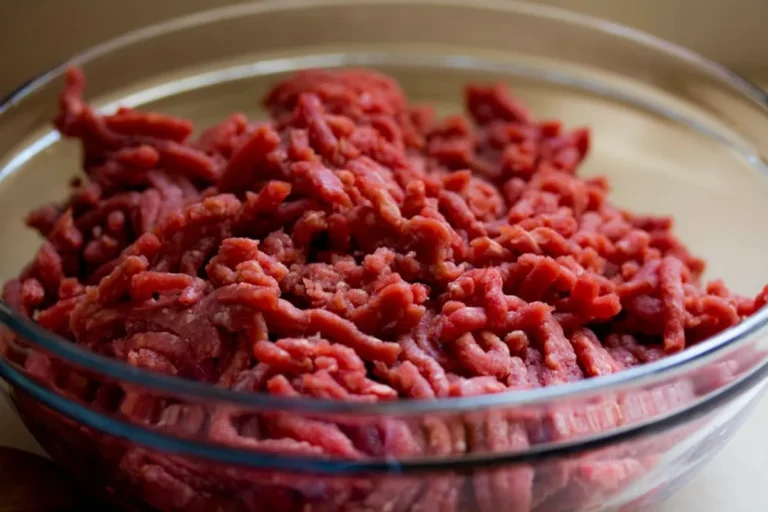
A well-balanced filling elevates the entire dumpling. This involves not only selecting high-quality ingredients but also preparing them to the correct consistency and seasoning them assertively. Meats should be finely minced or ground, and vegetables should be chopped small and often squeezed of excess moisture to prevent a watery filling that compromises the wrapper's integrity. Seasoning should be robust, as some flavor can be diluted during cooking. Incorporating a binder, such as cornstarch or an egg white, can help the filling hold its shape and prevent it from becoming crumbly.
Shaping and Sealing for Structural Integrity
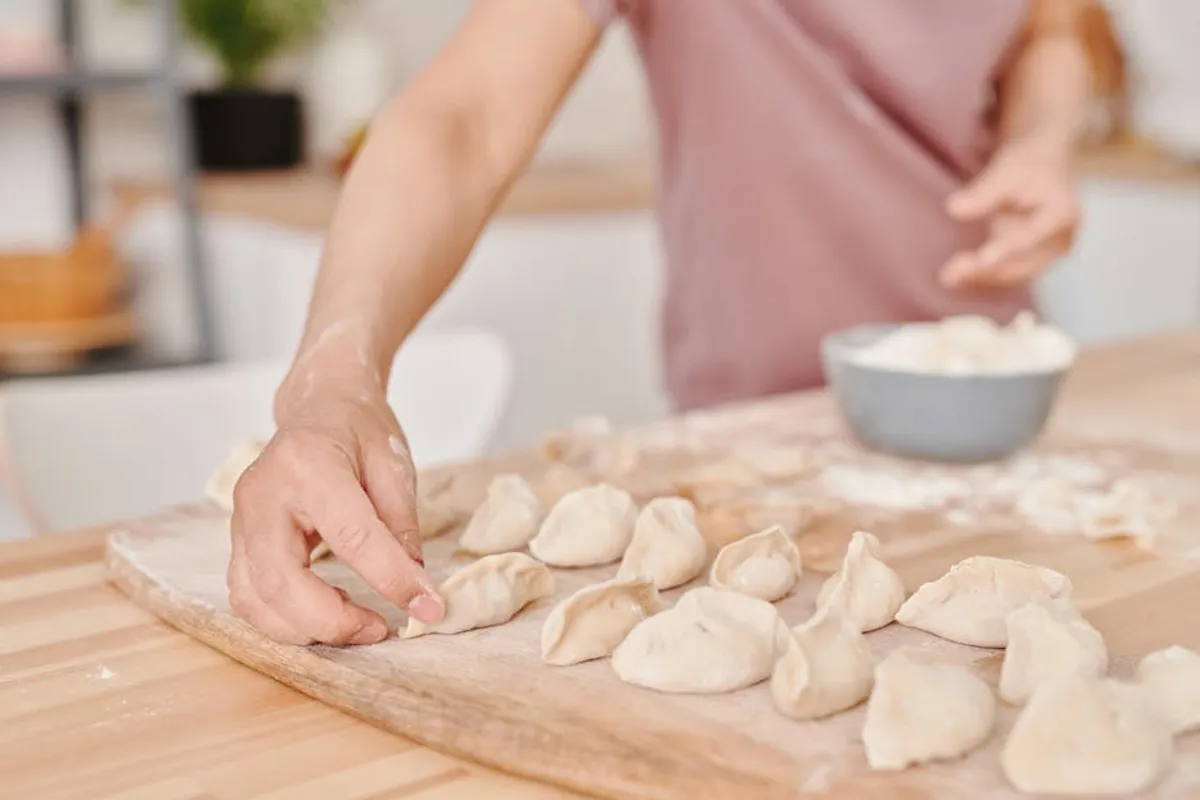
The art of shaping dumplings goes beyond aesthetics; it's about creating a secure seal that locks in the filling and prevents leakage during cooking. While various folds exist—from simple half-moons to intricate pleats—the fundamental principle remains consistent: ensure the edges are firmly pressed together. Using a small amount of water along the rim of the wrapper can aid adhesion. Consistency in size and shape also promotes even cooking.
Optimal Cooking Methods
The chosen cooking method significantly impacts the dumpling's final texture and flavor profile.
- Boiling: Ideal for tender, chewy wrappers, often used for classic potstickers or wontons. Ensure ample water and avoid overcrowding the pot to maintain a rolling boil.
- Steaming: Produces a delicate, slightly translucent wrapper and preserves the vibrant flavors of the filling. This method is common for dim sum-style dumplings.
- Pan-frying (Potstickers): Achieves a crispy, golden-brown bottom while keeping the top tender. Typically involves an initial sear, followed by steaming with a small amount of water, then a final crisping phase.
- Deep-frying: Results in a uniformly crispy exterior, often used for dessert dumplings or certain savory varieties. Requires careful temperature control to prevent burning.
Common Pitfalls in Homemade Dumpling Production
Overworking the Dough
Excessive kneading or handling of the dough can lead to a tough, rubbery texture. The goal is a smooth, elastic dough, not a highly developed gluten structure. Once the ingredients are combined and the dough is cohesive, allow it to rest. This relaxation period is more crucial than extended kneading.
Under-Seasoned or Watery Fillings
A bland filling diminishes the entire dumpling experience. Always taste and adjust seasoning before assembly. Similarly, fillings with too much moisture can make wrappers soggy, difficult to seal, and prone to breaking. Squeeze out excess liquid from vegetables like cabbage or spinach, and ensure meat mixtures aren't excessively wet.
Improper Sealing
A poorly sealed dumpling is a broken dumpling. If the edges are not firmly pressed together, the filling will escape into the cooking liquid, leading to a messy and unsatisfying result. Take the time to ensure a tight, secure seal, especially when working with thinner wrappers or moist fillings.
Pro Tip: To test your dumpling dough and filling before committing to a large batch, prepare and cook just one or two dumplings. This allows you to assess the seasoning, dough texture, and sealing effectiveness, making adjustments before investing significant time in the full batch.
Overcrowding the Cooking Vessel
Whether boiling or steaming, overcrowding the pot or steamer basket significantly lowers the temperature, leading to uneven cooking and dumplings that stick together. Cook in batches, allowing ample space for each dumpling to cook properly.
Exploring Global Dumpling Variations
The concept of a 'dumpling' is incredibly broad, encompassing a vast array of culinary traditions and techniques. Understanding these variations can inspire new creations and broaden your culinary repertoire.
Regional Styles and Ingredients
- Chinese Jiaozi/Gyoza: Typically made with wheat flour wrappers, filled with pork, cabbage, and aromatics, often boiled or pan-fried.
- Italian Ravioli/Tortellini: Pasta-based dumplings filled with cheese, meat, or vegetables, usually served with sauce.
- Polish Pierogi: Potato-based dough filled with savory ingredients like potato and cheese, or sweet options like fruit, commonly boiled and then pan-fried.
- Korean Mandu: Similar to jiaozi but often featuring glass noodles, tofu, and kimchi in the filling, served steamed, boiled, or pan-fried.
- Indian Samosa: Though often fried, these triangular pastries with savory fillings (potatoes, peas, lentils) share the dumpling principle of a filled dough pocket.
Dough Adaptations
Beyond standard wheat flour, various cultures utilize different flours and starches for their dumpling wrappers:
- Rice Flour: Used for delicate, chewy wrappers in dishes like Vietnamese Banh Bot Loc or certain dim sum items.
- Potato Starch/Flour: Creates a distinct, often denser texture, as seen in gnocchi or some pierogi.
- Glutinous Rice Flour: Essential for mochi and tangyuan, yielding a very chewy, sticky texture.
Refining Your Dumpling Craft
Mastering homemade dumplings is an iterative process. Each batch offers an opportunity to refine techniques, experiment with new flavors, and understand the nuances of dough and filling interactions. Pay close attention to ingredient quality, precise measurements, and the tactile feedback from your dough. Documenting successful ratios and techniques can accelerate your progress, allowing you to consistently produce high-quality, flavorful dumplings that rival any professional kitchen.
Frequently Asked Questions
What is the ideal thickness for dumpling wrappers?
The ideal thickness is typically thin, around 1-2 millimeters, allowing the filling to be the star while providing a delicate chew. Thicker wrappers can result in a doughy texture.
Can I make dumpling dough ahead of time?
Yes, dumpling dough can be made 1-2 days in advance and stored tightly wrapped in plastic in the refrigerator. Allow it to come to room temperature for about 30 minutes before rolling.
How do I prevent dumplings from sticking together when cooking?
Ensure your cooking water is at a rolling boil (for boiled dumplings) or your steamer basket is adequately spaced. For pan-frying, a non-stick surface and sufficient oil are crucial. Cooking in smaller batches also helps.
What are some common filling flavor combinations?
Classic combinations include pork and cabbage, shrimp and chives, or chicken and mushroom. Vegetarian options often feature tofu, shiitake mushrooms, carrots, and spinach. Experiment with different herbs, spices, and sauces to create unique profiles.