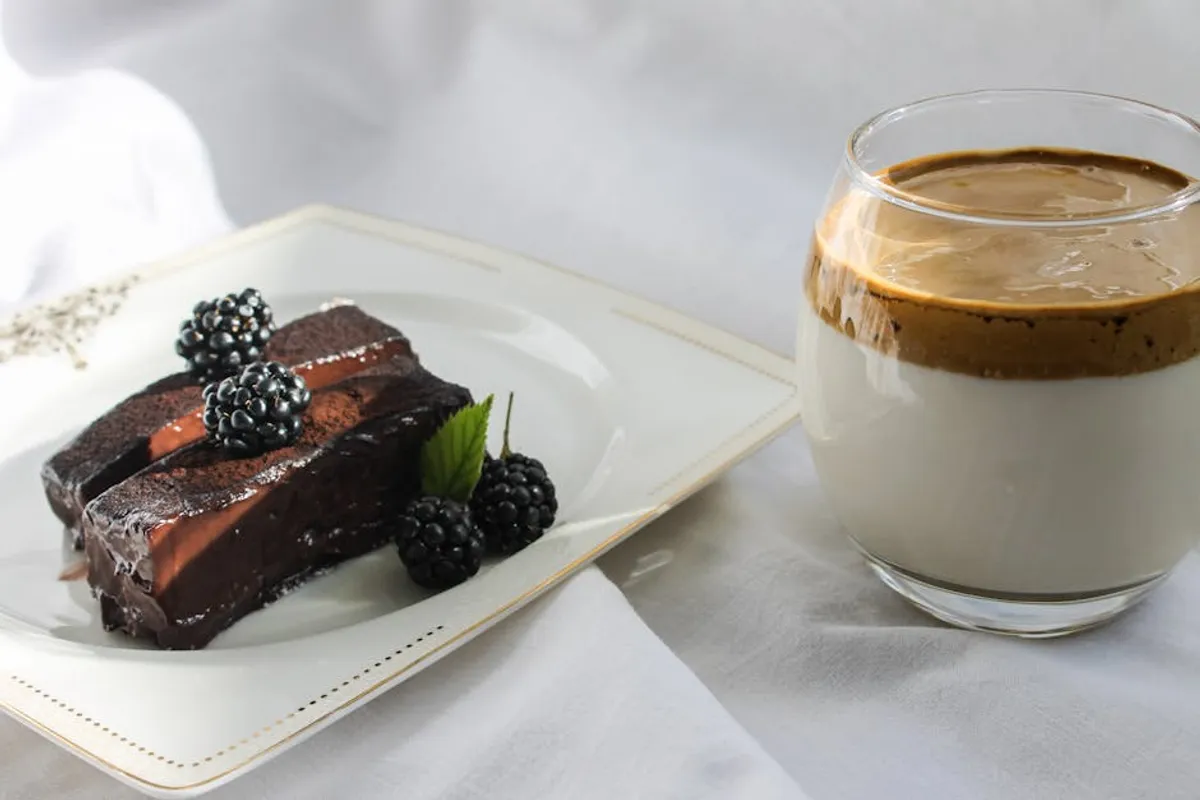
Developing coffee desserts that resonate with customers requires a precise understanding of flavor dynamics, textural interplay, and presentation. The goal is to craft treats that leverage coffee's complex profile without overwhelming other components, ensuring a balanced and memorable experience. This involves strategic ingredient selection, careful preparation techniques, and an awareness of common pitfalls that can diminish a dessert's appeal. Successful coffee desserts differentiate menus, attract specific customer segments, and can command premium pricing when executed thoughtfully.
Essential Tips for Crafting Exceptional Coffee Desserts
Selecting the Right Coffee Profile
The type and roast of coffee significantly impact the final dessert flavor. A medium roast often provides a balanced base, offering notes of chocolate, caramel, or nuts without excessive bitterness or acidity. Darker roasts, while intense, require careful integration to avoid overpowering delicate dessert components; they excel in rich, robust applications like chocolate tarts or dense cakes. Lighter roasts, with their brighter acidity and floral notes, can add an unexpected lift to fruit-based coffee desserts or lighter mousses. Consider the coffee's origin for specific flavor nuances: Ethiopian beans might offer berry notes, while Colombian beans lean towards nutty and chocolatey. Instant espresso powder, when high-quality, provides concentrated flavor without adding excess liquid, making it ideal for batters and creams.
Achieving Flavor Harmony and Intensity
Balancing coffee's inherent bitterness with sweetness and other complementary flavors is critical. Sugar not only sweetens but also mutes bitterness, allowing coffee's aromatic qualities to emerge. Fat, from dairy or chocolate, provides a rich mouthfeel and helps carry coffee flavors throughout the palate. Acids, such as a hint of citrus or a touch of cream cheese, can brighten the profile and prevent the dessert from tasting flat. The intensity of the coffee flavor should align with the dessert's overall profile; a subtle coffee note might enhance a delicate panna cotta, while a strong espresso punch is expected in a tiramisu.
Incorporating Textural Contrast
A successful dessert engages multiple senses, and texture is paramount. Coffee desserts benefit from layers of contrasting textures. Consider pairing a smooth, creamy coffee mousse with a crunchy praline or a crisp shortbread crumble. A soft coffee cake can be elevated with a glaze that sets firm or a delicate dusting of cocoa powder. Frozen elements, like coffee ice cream or granita, offer a cooling counterpoint to richer, warmer components. These textural variations provide interest and prevent palate fatigue, encouraging repeat consumption.
Common Mistakes to Avoid in Coffee Dessert Preparation
Over-Extracting or Using Excessive Coffee
A frequent error is allowing coffee to brew too long or using too much coffee, resulting in an overly bitter, acrid flavor that dominates the dessert. For espresso-based desserts, ensure proper extraction time to avoid burnt notes. When using brewed coffee, concentrate it carefully if liquid volume is a concern, or opt for espresso powder. Bitterness can become harsh when combined with certain sugars or fats, leading to an unbalanced and unpalatable product.
Ignoring Complementary Flavor Pairings
Coffee, while versatile, does not pair well with every ingredient. Combining it with strong, clashing flavors can result in an unharmonious dessert. For instance, highly acidic fruits like raw pineapple might clash with coffee's roasted notes, creating an unpleasant metallic taste. Overly floral ingredients can also compete with coffee's aroma rather than complementing it. Researching classic pairings and understanding coffee's flavor wheel helps avoid these missteps.
Pro Tip: When developing new coffee dessert recipes, always conduct small-batch tests. Adjust coffee concentration incrementally and taste at various stages of preparation. This prevents wasting ingredients on a full batch and allows for precise flavor calibration, especially when balancing bitterness with sweetness and fat.
Inconsistent Coffee Distribution
Uneven distribution of coffee flavor can lead to bites that are either bland or overwhelmingly strong. This is particularly relevant in batters, custards, and creams. Ensure instant espresso powder or liquid coffee extract is fully dissolved and thoroughly mixed into the base. For layered desserts, consider how each layer will contribute to the overall coffee experience, ensuring a consistent flavor profile throughout the entire dessert.
Creative Variations and Applications for Coffee Desserts
Diverse Coffee Dessert Categories
The range of coffee desserts extends far beyond the classic tiramisu. Exploring different categories can expand menu offerings and appeal to varied preferences:
- Cakes and Bakes: Coffee-infused sponges, loaves, muffins, or rich espresso brownies.
- Custards and Creams: Panna cotta, crème brûlée, mousses, or parfaits with coffee layers.
- Frozen Treats: Ice cream, gelato, granita, or affogato (espresso poured over ice cream).
- Confections: Coffee caramels, truffles, or chocolate bark with coffee nibs.
- Beverage-Desserts: Blended iced coffees with dessert-like components, or coffee milkshakes.
Strategic Flavor Pairings
Thoughtful pairings elevate coffee desserts, adding depth and complexity. Some classic and innovative combinations include:
- Chocolate: Dark, milk, or white chocolate all complement coffee, with dark chocolate offering a robust partner and white chocolate a creamy contrast.
- Caramel: The buttery sweetness of caramel naturally enhances coffee's roasted notes.
- Nuts: Hazelnuts, walnuts, pecans, and almonds provide textural contrast and earthy flavors.
- Spices: Cardamom, cinnamon, nutmeg, and star anise can add warmth and aromatic complexity.
- Dairy: Cream cheese, mascarpone, and heavy cream provide richness and temper bitterness.
- Liqueurs: Coffee liqueurs, Kahlúa, or amaretto can deepen coffee flavor and add a boozy kick.
Leveraging Different Coffee Formats
Beyond brewed coffee, various formats offer unique applications:
- Espresso: Ideal for concentrated flavor in tiramisu, affogato, or espresso martinis.
- Cold Brew Concentrate: Offers a smoother, less acidic coffee flavor, excellent for mousses, ice creams, or glazes.
- Coffee Grounds/Nibs: Can be used as a garnish or infused into creams for subtle flavor and textural intrigue (ensure finely ground for infusions, or use roasted nibs for crunch).
- Coffee Extract/Flavoring: Provides consistent flavor without adding significant liquid, useful in delicate batters or meringues.
Refining Your Coffee Dessert Offerings
The commercial success of coffee desserts hinges on consistent quality and differentiation. Continuously experiment with roast levels, coffee origins, and innovative flavor combinations to keep offerings fresh and engaging. Pay close attention to customer feedback regarding sweetness levels, coffee intensity, and textural preferences. By mastering the fundamentals of coffee selection, flavor balance, and presentation, establishments can create a signature line of coffee desserts that stand out and drive customer loyalty. Focus on creating a sensory experience that justifies premium pricing and encourages repeat purchases, transforming a simple dessert into a memorable culinary highlight.
Frequently Asked Questions About Coffee Desserts
What type of coffee is best for baking and desserts?
Medium-roast coffee beans or high-quality instant espresso powder are generally best for baking. Medium roasts offer balanced flavor without excessive bitterness or acidity, while instant espresso powder provides concentrated coffee flavor without adding much liquid, which is crucial for maintaining batter consistency.
How do I prevent my coffee dessert from tasting too bitter?
To prevent bitterness, avoid over-extracting your coffee (e.g., brewing too long) and ensure you balance the coffee's intensity with sufficient sweetness and fat. Using high-quality coffee and adding a pinch of salt can also help to mellow out any harsh notes.
Can I use regular brewed coffee in dessert recipes?
Yes, you can use regular brewed coffee, but be mindful of the liquid volume it adds to the recipe. For recipes requiring concentrated flavor, you might need to brew the coffee stronger or reduce it on the stovetop to create a concentrate, or opt for espresso powder to avoid diluting the dessert.
What are some classic flavor pairings that complement coffee in desserts?
Classic flavor pairings for coffee in desserts include chocolate (especially dark and milk), caramel, vanilla, various nuts (hazelnut, walnut, almond), and warm spices like cinnamon and cardamom. Dairy products such as cream, mascarpone, and cream cheese also pair exceptionally well, adding richness and balancing coffee's intensity.