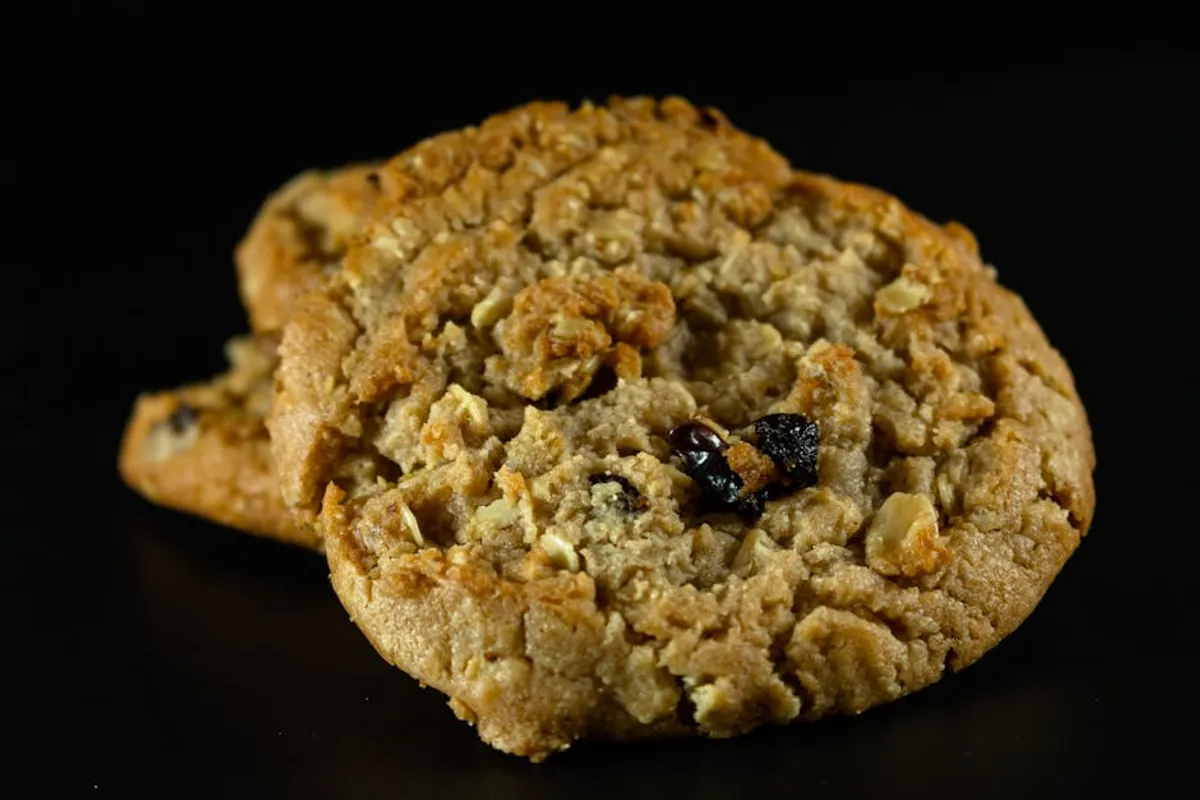
Home bakers aiming to capture the market appeal of distinctive cookie brands often look to successful models for inspiration. Replicating a brand's menu style involves more than just copying recipes; it requires understanding the underlying commercial strategy that drives customer engagement and repeat purchases. For those inspired by the rotating menu and visually appealing presentation of Crumbl Cookies, the focus should be on developing a cohesive product line that combines consistent quality with strategic visual and flavor variety. This approach allows home bakers to cultivate a unique identity while leveraging proven methods for attracting and retaining a customer base.
Deconstructing the Crumbl Menu Aesthetic
The success of a brand like Crumbl Cookies stems significantly from its deliberate menu presentation and operational model. For home bakers, understanding these core elements is crucial for effective replication, not just in taste, but in overall customer experience. The aesthetic is built on several pillars:
- Consistent Large Format: Each cookie maintains a uniform, substantial size and often a slightly irregular, hand-formed appearance, signaling artisanal quality. This consistency in dimension creates a predictable product experience for the customer.
- Distinctive Toppings and Finishes: Toppings are not merely decorative; they are integral to the flavor profile and visual identity of each cookie. This includes precise piping of frostings, strategic placement of sprinkles, drizzles, and chunky inclusions that are visually prominent and differentiate one flavor from another.
- Weekly Flavor Rotation: The limited-time offer model drives urgency and encourages repeat visits. A curated selection of 4-6 rotating flavors, alongside 1-2 staple options, creates anticipation and keeps the product line fresh.
- Clean, Branded Presentation: While home bakers may not have custom boxes initially, the principle of clean, thoughtful packaging is paramount. This includes using appropriate containers that protect the cookie and present it appealingly, often with a simple, branded label or tag.
Crafting Your Own Rotating Menu Strategy
Implementing a rotating menu requires planning beyond just baking. It involves a strategic approach to flavor development and scheduling to maintain customer interest without overwhelming your production capacity.
Flavor Development: Begin by identifying categories for your cookies. These might include:
- Classic Comforts: Chocolate chip, sugar, oatmeal raisin. These are your reliable sellers.
- Seasonal Specialties: Pumpkin spice for autumn, peppermint for winter, citrus for spring. These leverage seasonal ingredient availability and consumer trends.
- Innovative Combinations: Unique flavor pairings or twists on classics, like a churro-inspired cookie or a key lime pie cookie. These generate buzz.
- Dessert Mash-ups: Cookies inspired by other popular desserts, such as a brownie batter cookie or a s'mores cookie.
Rotation Schedule: Consider a weekly or bi-weekly rotation for new flavors. This frequency is high enough to create anticipation but manageable for a home baker. Announce upcoming flavors a few days in advance to build excitement. Document your flavor successes and failures to refine your offerings over time, identifying which combinations resonate most with your audience.
Visual Presentation and Branding for Home Bakers
The visual appeal of your cookies is often the first point of contact for potential customers, especially in online sales or social media promotion. High-quality presentation elevates perceived value.
Photography: Invest time in learning basic food photography. Natural light, simple backgrounds, and close-up shots that highlight textures and toppings are essential. Show the cookie in its entirety and also a cross-section to reveal its interior structure and inclusions. Consistency in your photographic style helps build brand recognition.
Naming Conventions: Develop creative, descriptive names for your cookies that evoke flavor and experience. Instead of "Chocolate Cookie with Caramel," consider "Salted Caramel Dream" or "Midnight Caramel Swirl." Names should be memorable and align with the overall feel of your brand.
Packaging: Even on a small scale, packaging contributes to the unboxing experience. Clear, sturdy boxes or containers that prevent damage during transport are critical. Consider adding a simple, custom sticker or ribbon to add a personal, branded touch. A small card detailing ingredients or suggesting serving instructions can also enhance the customer's perception of quality and care.
Pro Tip: Consistency in cookie size and decoration is paramount for a professional presentation. Use a kitchen scale to portion dough accurately for uniform size and weight. Practice piping techniques on parchment paper before applying them to actual cookies to ensure clean, consistent lines and swirls. This attention to detail significantly impacts the perceived quality and value of your product.
Operationalizing Your Crumbl-Inspired Offerings
Beyond the creative aspects, successful implementation requires practical operational considerations for home bakers.
Ingredient Sourcing: Use high-quality ingredients. Premium butter, real vanilla extract, and good quality chocolate make a noticeable difference in taste and texture. Sourcing from local suppliers or reputable online vendors ensures consistency and can be a selling point for your customers.
Recipe Adaptation and Development: Start with reliable base recipes for different cookie types (e.g., sugar, chocolate chip, snickerdoodle). Then, experiment with mix-ins, extracts, and frosting flavors to create your unique variations. Document every recipe precisely, including ingredient weights, baking times, and temperatures, to ensure replicability across batches.
Equipment: Essential equipment includes a stand mixer, baking sheets, parchment paper, cooling racks, kitchen scale, and various piping tips and bags for decoration. Investing in quality tools reduces frustration and improves product consistency.
Presentation Techniques:
- Piping: Use appropriate piping tips for different frosting textures and designs. A round tip for dollops, a star tip for swirls, and a small round tip for fine drizzles.
- Drizzling: Melted chocolate or caramel can be drizzled using a spoon or a piping bag with a tiny snip off the end. Practice different patterns for visual interest.
- Sprinkling: Apply sprinkles or other small toppings while frosting is still wet to ensure adhesion. Consider different types of sprinkles (nonpareils, jimmies, sanding sugar) for varied textures and visual effects.
- Inclusions: Strategically place larger inclusions like candy bar pieces or cookie chunks on top of the cookie after baking, or press them into the dough before baking, to ensure they are visible and appealing.
Implementing Your Crumbl-Inspired Cookie Strategy
Developing a menu style inspired by successful brands is an iterative process. Start with a manageable number of core recipes and a simple rotation schedule. Pay close attention to customer feedback regarding both taste and presentation. Use social media to showcase your weekly offerings, highlighting the visual appeal and unique flavor combinations. By focusing on consistent quality, thoughtful presentation, and a strategic flavor rotation, home bakers can build a recognizable and desirable cookie brand that resonates with customers and encourages repeat business.
Frequently Asked Questions
How often should a home baker rotate cookie flavors?
A weekly or bi-weekly rotation is effective for maintaining customer interest without overcomplicating production. This frequency allows for anticipation while providing enough time to master new recipes.
What is the most important aspect of visual presentation for home-baked cookies?
Consistency in size, shape, and decoration is critical. Uniformity across a batch signals professionalism and attention to detail, which directly impacts perceived product quality.
How can I make my cookie names more appealing?
Focus on descriptive language that evokes taste, texture, or mood. Use alliteration, evocative adjectives, and references to familiar desserts to make names memorable and enticing.
Should I offer staple flavors or only rotating ones?
Offering 1-2 staple flavors provides a consistent option for customers who prefer classics, while the rotating menu drives excitement and encourages new purchases. This balance caters to different customer preferences.