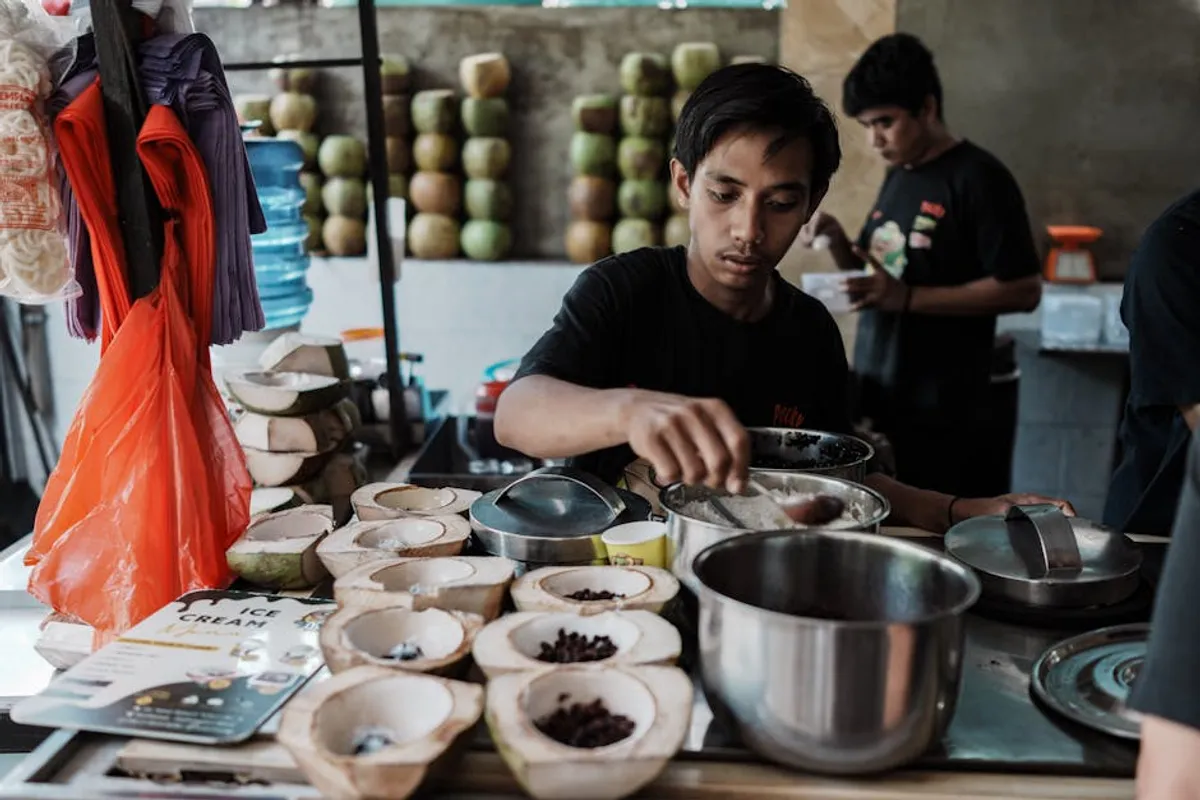
Local food stories serve as more than culinary features; they are foundational elements for cultivating robust community ties and fostering local economic resilience. For publishers, marketers, and local businesses, understanding how to effectively harness these narratives translates directly into enhanced engagement, brand loyalty, and tangible community support. This approach moves beyond simple product promotion, instead focusing on the human connections, shared heritage, and collective identity that food inherently represents within a specific geographic area.
The Core Mechanism: Why Food Stories Resonate Locally
Food narratives possess an intrinsic power to connect people because they tap into universal human experiences: sustenance, celebration, and tradition. When these narratives are localized, they become potent tools for community building, grounding abstract concepts of 'community' in tangible, relatable experiences. This resonance is particularly strong because local food often embodies the unique characteristics of a place – its geography, climate, and cultural history.
Tapping into Shared Identity and Heritage
Local food stories frequently chronicle the history of specific ingredients, family recipes, or agricultural practices passed down through generations. These narratives reinforce a shared sense of place and collective heritage among residents. For example, a story about a regional apple variety or a traditional bread-making technique can evoke nostalgia, pride, and a sense of belonging. This emotional connection fosters community by providing common ground and shared points of reference that transcend individual differences. Businesses that align with these narratives can position themselves as custodians of local culture, building trust and deep-seated loyalty.
Creating Economic Bridges and Support Networks
Beyond cultural ties, local food stories highlight the economic interdependencies within a community. By showcasing local farmers, artisans, and small-batch producers, these narratives draw attention to the individuals and businesses that form the economic backbone of a region. This visibility encourages direct support, creating a virtuous cycle where local purchases sustain local livelihoods, which in turn strengthens the community's overall economic health. Publishers can facilitate this by featuring profiles that connect producers directly with consumers, illustrating the tangible impact of local spending.
Strategic Approaches to Crafting Effective Local Food Narratives
Developing compelling local food stories requires a deliberate strategy that prioritizes authenticity, depth, and relevance to the target audience. It's not enough to simply list local eateries; the content must delve into the 'who,' 'what,' 'where,' 'when,' 'why,' and 'how' of local food production and consumption.
Identifying Authentic Voices and Producers
The most impactful local food stories originate from genuine sources. This means actively seeking out and collaborating with local farmers, chefs, food historians, and community elders who possess firsthand knowledge and passion. Their personal stories, challenges, and successes provide a human element that generic content cannot replicate.
Best for: Building trust and credibility within the local audience.
Showcasing the "Farm-to-Table" Journey Beyond the Plate
Consumers are increasingly interested in the provenance of their food. Local food stories can capitalize on this by detailing the entire journey from cultivation to consumption. This includes profiles of farms, explanations of sustainable practices, interviews with distributors, and insights into how local ingredients inspire chefs. Visual content, such as short videos or photo essays documenting these processes, significantly enhances engagement and understanding.
Integrating Cultural Context and Historical Significance
Food is inextricably linked to culture and history. Weaving in these elements enriches local food stories, transforming them from mere descriptions into cultural artifacts. This could involve exploring how immigrant communities influenced local cuisine, the historical role of certain crops in the region, or the traditions associated with specific seasonal foods. Such depth provides educational value and reinforces the unique identity of the community.
Distribution and Engagement: Amplifying Local Food Stories
Crafting compelling narratives is only half the effort; effective distribution and active engagement strategies are crucial for these stories to build community. The goal is to make the content accessible, shareable, and interactive.
Leveraging Local Platforms and Partnerships
Distribute local food stories through channels specifically targeting the local audience. This includes local news outlets, community social media groups, municipal newsletters, and tourism boards. Forming partnerships with local businesses, chambers of commerce, and non-profits can expand reach and lend additional credibility. Co-promotion efforts ensure the stories reach residents who are most likely to engage and act.
Encouraging User-Generated Content and Participation
Community building thrives on participation. Encourage readers to share their own local food stories, recipes, photos, and recommendations. This can be facilitated through dedicated hashtags, submission forms, or interactive polls. User-generated content not only provides fresh material but also makes community members active contributors, deepening their investment in the narrative.
Pro Tip: When encouraging user-generated content, establish clear guidelines for submission and moderation. This ensures that contributions align with the overall tone and purpose of community building, maintaining a positive and inclusive environment. Consistency in messaging and prompt engagement with submissions are critical for sustained participation.
Event-Based Storytelling and Experiential Marketing
Translate digital stories into real-world experiences. Organize or partner with local food festivals, farmers' market tours, cooking classes featuring local ingredients, or "meet the farmer" events. These experiential opportunities allow community members to directly connect with the food, its producers, and each other, reinforcing the narratives in a tangible way.
- Farmers' market spotlights and vendor interviews
- Seasonal recipe contests using local produce
- "Behind the scenes" tours of local dairies or bakeries
- Themed dining events featuring regional specialties
- Workshops on traditional food preservation techniques
Measuring Impact: Beyond Likes and Shares
Assessing the success of local food stories in building community requires looking beyond vanity metrics. The focus should be on indicators that reflect genuine engagement, strengthened local ties, and observable community outcomes.
Tracking Local Engagement Metrics
Monitor metrics that indicate active local participation. This includes website traffic from local IP addresses, engagement rates on social media posts specifically targeting local audiences, event attendance figures, and newsletter sign-ups from residents. Qualitative feedback, such as comments and direct messages, can also provide insight into how the stories resonate.
Observing Tangible Community Outcomes
Look for real-world impacts. This might include an increase in sales for featured local businesses, a rise in local tourism, the formation of new community groups centered around food, or successful advocacy for local food initiatives. Long-term surveys or focus groups with community members can help gauge shifts in local identity, pride, and perceived cohesion attributed to the food narratives.
Cultivating Connection Through Narrative
Local food stories are powerful instruments for community development, offering a unique blend of cultural preservation, economic support, and social cohesion. By strategically crafting and distributing these narratives, publishers and marketers can foster deeper connections among residents, bolster local economies, and celebrate the distinct character of their regions. The investment in authentic, place-based food storytelling yields returns far beyond conventional content marketing, building a more engaged, supportive, and vibrant local ecosystem.
FAQ
Q: How can small local businesses contribute to local food storytelling without a large marketing budget?
A: Small businesses can leverage social media platforms to share their own stories, participate in local online groups, collaborate with complementary local businesses for cross-promotion, and offer to be featured by local news outlets or community blogs.
Q: What types of local food stories resonate most with diverse community demographics?
A: Stories that highlight cultural diversity in cuisine, showcase intergenerational traditions, address food accessibility, or focus on sustainable and ethical practices tend to resonate broadly. Emphasizing shared values like community support and heritage can bridge demographic divides.
Q: Is it better to focus on a few in-depth stories or many short features?
A: A balanced approach is often most effective. In-depth features provide rich context and strong emotional connection, while shorter features or social media snippets can maintain consistent engagement and highlight a wider range of local offerings. Varying content formats keeps the audience engaged.
Q: How can local food stories be sustained over the long term?
A: Sustaining local food stories requires ongoing research to discover new producers and traditions, building a network of community contributors, and regularly refreshing content with seasonal themes, events, and evolving local trends. Consistency and a commitment to authenticity are key.