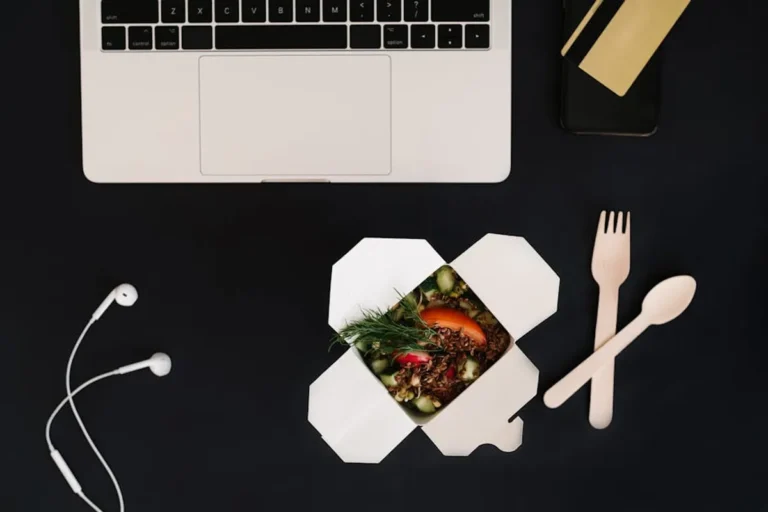
The daily challenge of preparing a healthy, satisfying dinner after a busy day often leads to compromises: takeout, processed meals, or repetitive cooking. This isn't a failure of culinary skill, but frequently a lack of strategic planning and efficient execution. Crafting easy weeknight dinners at home requires a systematic approach, transforming a potential source of stress into a manageable, even enjoyable, part of your routine. The objective is to minimize decision fatigue, reduce cooking time, and ensure nutritional balance without sacrificing flavor. If you're new to cooking, consider exploring our tips for beginners looking for simple recipes that don't require advanced techniques.
Strategic Planning for Efficiency
Effective weeknight cooking begins long before you step into the kitchen. A structured approach to meal planning and preparation is the foundation for consistent, easy dinners.
Master Meal Planning
Implementing a weekly meal plan is the single most impactful step. This isn't about rigid adherence to a complex menu, but rather creating a flexible framework. Dedicate 15-30 minutes once a week (e.g., Sunday afternoon) to outline your dinners. Consider:
- Theme Nights: Assigning a theme (e.g., "Taco Tuesday," "Pasta Wednesday," "Sheet Pan Sunday") simplifies ingredient selection and recipe ideation.
- Ingredient Repetition: Plan meals that utilize common ingredients across several days to reduce waste and grocery list complexity. For instance, roast a large chicken and use leftovers for sandwiches, salads, or tacos later in the week.
- Template Usage: Create a simple template that includes protein, vegetable, and starch slots for each day. This ensures balanced meals without needing specific recipes every time.
The primary benefit of meal planning is reduced cognitive load during the week, eliminating the "what's for dinner?" dilemma and the subsequent scramble.
The Power of Prep (Mise en Place)
Batch preparation, or "mise en place" for the week, significantly cuts down daily cooking time. This involves performing time-consuming tasks in advance:
- Wash and Chop Vegetables: Pre-cut onions, peppers, carrots, and celery for stir-fries, soups, or salads. Store them in airtight containers for 3-5 days.
- Cook Grains and Legumes: Prepare a large batch of quinoa, rice, or lentils. These can be reheated or added cold to various dishes.
- Pre-Cook Proteins: Grill or bake chicken breasts, hard-boil eggs, or brown ground meat. These versatile components can be incorporated into multiple meals.
- Assemble Dressings and Sauces: Prepare vinaigrettes, marinades, or simple pasta sauces. Freshly made sauces elevate simple ingredients.
Investing an hour or two on a weekend for these tasks can save multiple hours of active cooking during the work week.
Ingredient Selection for Speed and Flavor
The ingredients you choose directly impact the ease and speed of your weeknight cooking. Prioritize items that are quick to prepare, versatile, and minimize waste.
Rely on Pantry Staples
A well-stocked pantry is a weeknight dinner lifeline. These items require minimal preparation and form the base of many quick meals:
- Canned Goods: Tomatoes (diced, crushed, paste), beans (black, cannellini, chickpeas), tuna, chicken broth.
- Dried Goods: Pasta, rice (white, brown, instant), quinoa, lentils, oats.
- Oils and Vinegars: Olive oil, vegetable oil, apple cider vinegar, balsamic vinegar.
- Spices and Herbs: Garlic powder, onion powder, cumin, paprika, oregano, dried basil, red pepper flakes.
- Condiments: Soy sauce, hot sauce, mustard, honey, maple syrup.
These staples allow for spontaneous meal creation when fresh ingredients are scarce.
Smart Fresh Choices
When selecting fresh ingredients, prioritize those that require minimal processing or cook quickly:
- Quick-Cooking Proteins: Chicken breast (thinly sliced), shrimp, ground meat (beef, turkey, chicken), eggs, firm tofu. These cook in under 15 minutes.
- Pre-Cut Vegetables: While slightly more expensive, pre-chopped onions, bell peppers, or salad mixes save significant prep time.
- Versatile Produce: Broccoli florets, spinach, cherry tomatoes, zucchini, mushrooms. These can be roasted, sautéed, or added raw to many dishes.
Focusing on these ingredients reduces the active cooking time and complexity of any recipe.
Streamlined Cooking Methods
The cooking method itself can be a major time-saver. Opt for techniques that minimize cleanup and allow for hands-off cooking.
One-Pan and One-Pot Meals
These methods are invaluable for efficiency. By cooking all components in a single vessel, you reduce cleanup and often allow flavors to meld more effectively.
Best for: Roasts, stews, pasta dishes, grain bowls.
Example: A sheet pan dinner with chicken sausage, bell peppers, onions, and zucchini, all roasted together at 400°F (200°C) for 20-25 minutes.
Stir-Fries and Sautéing
High heat, quick cooking, and minimal oil characterize these methods. They are ideal for tender proteins and crisp vegetables.
Best for: Chicken, shrimp, thinly sliced beef, leafy greens, mushrooms, bell peppers.
Technique: Ensure your pan is hot before adding ingredients, and avoid overcrowding to prevent steaming. Add ingredients in order of cooking time, starting with denser vegetables.
Slow Cookers and Instant Pots
For truly hands-off cooking, these appliances are unmatched. They allow for long, slow cooking or rapid pressure cooking, ideal for tenderizing tougher cuts of meat or developing rich flavors with minimal supervision.
Best for: Soups, stews, chili, pulled meats, pot roasts, large batches of grains.
Benefit: Prepare ingredients in the morning, set the timer, and return to a fully cooked meal. Instant pots significantly reduce the cooking time for dishes that traditionally require hours.
Pro Tip: Avoid the "recipe rabbit hole" during busy weeks. Instead of searching for entirely new dishes daily, master 5-7 simple, versatile recipes that you enjoy and can execute quickly. Rotate these, adding variations with different spices or vegetables to maintain interest. This reduces decision fatigue and ensures consistent success.
Recipe Categories for Quick Inspiration
Having a mental library of quick-assembly meal types can streamline your weeknight cooking:
- Pasta Dishes: Beyond simple marinara, consider pesto pasta with cherry tomatoes and spinach, or a one-pot sausage and broccoli pasta.
- Taco/Bowl Nights: Offer a base (rice, lettuce wraps) and various toppings (pre-cooked protein, black beans, salsa, avocado, shredded cheese). This allows for customization and uses up small amounts of leftovers.
- Frittatas/Egg-Based Meals: A frittata can incorporate almost any leftover vegetable and protein. Scrambled eggs with toast and a side salad also make a surprisingly satisfying and fast dinner.
- Quick Soups/Stews: Utilize canned beans, diced tomatoes, and pre-made broth. Add quick-cooking pasta or grains for a heartier meal.
Streamlining Your Weeknight Routine
Making easy weeknight dinners a consistent reality hinges on adopting a proactive mindset. Begin by dedicating a small, consistent block of time each week for planning and initial preparation. Focus on mastering a few reliable cooking methods and stocking your pantry with versatile ingredients. Experiment with simple recipes, but prioritize efficiency over novelty during busy periods. By implementing these strategies, you transform dinner from a daily chore into an efficient, enjoyable, and nourishing part of your home life. By implementing these strategies, you transform dinner from a daily chore into an efficient, enjoyable, and nourishing part of your home life, avoiding common pitfalls and successful variations.
Frequently Asked Questions
What's the fastest way to get dinner on the table?
The fastest methods involve minimal chopping and quick cooking. Think stir-fries with pre-cut vegetables and shrimp, sheet pan meals with fast-cooking proteins like chicken breast or sausage, or using an Instant Pot for dishes like pasta with sauce that cook in under 15 minutes.
How can I make healthy weeknight meals without spending too much?
Focus on budget-friendly protein sources like eggs, lentils, beans, and chicken thighs. Utilize seasonal vegetables, buy in bulk when practical for pantry staples, and plan meals around ingredients you already have to minimize food waste.
What are good protein sources for quick dinners?
Excellent quick-cooking proteins include shrimp (cooks in 2-3 minutes), ground meats (cooks in 5-7 minutes), thin-cut chicken breasts or tenders (cooks in 5-8 minutes), eggs (cooks in 2-5 minutes), and firm tofu (pan-fries in 10-15 minutes).
How do I avoid cooking the same meals every week?
Incorporate theme nights to introduce variety, but change the specific recipe within the theme (e.g., "Taco Tuesday" could be chicken tacos one week, fish tacos the next). Experiment with different spice blends or sauces for familiar proteins and vegetables, and occasionally try one new, simple recipe per week.