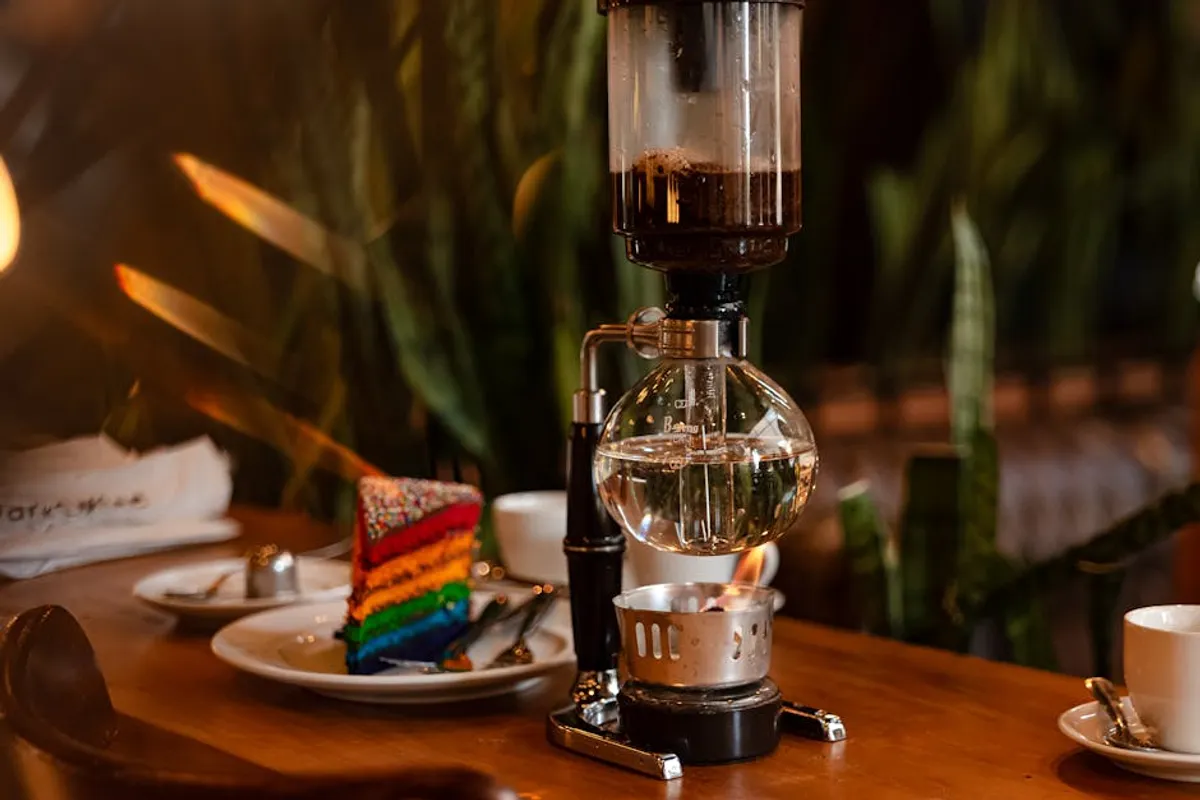
Embarking on the creation of coffee-infused desserts can seem daunting, especially with complex recipes that demand specific techniques or specialized equipment. For those new to baking or dessert preparation, the initial hurdle often involves identifying recipes that promise both a rich coffee flavor and a manageable process. The goal for a beginner isn't just a delicious outcome, but a positive, confidence-building experience that encourages further exploration. This guide focuses on coffee desserts that prioritize simplicity, readily available ingredients, and clear, executable steps, ensuring that your first ventures into coffee dessert making are successful and rewarding, rather than frustrating.
What to Look For in a Beginner Coffee Dessert
When selecting a coffee dessert recipe as a novice, several factors contribute to a higher likelihood of success. Prioritize recipes with short, clear ingredient lists that avoid obscure or expensive components; standard pantry items and common dairy products are ideal. Examine the technique required: look for methods that involve minimal baking, simple mixing, or no-bake assembly, reducing the need for precise oven temperature control or advanced pastry skills. Recipes that utilize common kitchen tools—bowls, whisks, saucepans—are preferable to those demanding stand mixers, immersion blenders, or specialized molds. Finally, consider the time commitment; quick-setting or make-ahead options minimize stress and allow for flexibility, making the process enjoyable rather than a race against the clock. These elements collectively reduce the barrier to entry, allowing beginners to focus on flavor development and presentation without being overwhelmed by complexity.
1. Affogato
The Affogato stands as the epitome of coffee dessert simplicity, requiring minimal preparation and delivering immediate gratification. It’s essentially a scoop of vanilla ice cream or gelato drowned in a shot of hot, freshly brewed espresso. The contrast between the cold, creamy sweetness of the ice cream and the hot, bitter intensity of the coffee creates a dynamic flavor profile and a unique textural experience as the ice cream slowly melts into a coffee-infused sauce. This dessert is perfect for impromptu cravings or as a quick, elegant finish to any meal, demanding no cooking skill beyond brewing coffee.
Best for: Instant gratification, minimal effort, hot weather, coffee purists.
Pros:
- Requires only two ingredients: espresso and vanilla ice cream.
- Preparation time is under five minutes.
- No specialized equipment beyond an espresso maker (or strong brewed coffee).
- Customizable with various ice cream flavors or toppings like chocolate shavings.
Cons:
- Limited complexity for those seeking a more elaborate dessert.
- Reliance on good quality espresso for optimal flavor.
- Melts quickly, requiring immediate consumption.
Verdict: The Affogato is an excellent starting point for anyone wanting to explore coffee desserts without any commitment to baking or extensive preparation. Its elegant simplicity makes it a reliable crowd-pleaser.
2. Coffee Panna Cotta
Coffee Panna Cotta offers an approachable entry into molded desserts, relying on gelatin for its characteristic silky, wobbly texture. This Italian classic involves heating cream, sugar, and coffee (espresso or strong brewed coffee) until dissolved, then incorporating bloomed gelatin. The mixture is poured into individual molds or ramekins and chilled until set. The process is straightforward, primarily involving heating, stirring, and patient chilling. The result is a smooth, rich dessert with a pronounced coffee flavor, often served with a dusting of cocoa or a simple chocolate sauce, presenting an impressive appearance with minimal technical skill.
Best for: Elegant presentation with minimal effort, make-ahead options, those comfortable with gelatin.
Pros:
- Simple ingredient list: cream, sugar, coffee, gelatin.
- Primarily a stovetop and chilling process, no baking required.
- Can be prepared a day in advance, reducing last-minute stress.
- Versatile; flavor intensity can be adjusted by varying coffee strength.
Cons:
- Requires careful handling of gelatin to avoid lumps or improper setting.
- Chilling time is several hours, requiring patience.
- Demolding can be tricky for beginners without proper technique.
Verdict: Coffee Panna Cotta is a rewarding beginner dessert that teaches basic gelatin handling and yields a sophisticated result, making it ideal for those wanting to impress with a make-ahead option.
3. No-Bake Coffee Cheesecake
A No-Bake Coffee Cheesecake provides the rich, creamy indulgence of traditional cheesecake without the complexities of a water bath or cracking concerns. This dessert typically features a crushed cookie crust (often graham cracker or chocolate wafer) pressed into a pan, topped with a filling made from cream cheese, sugar, whipped cream, and a strong coffee or espresso concentrate. The mixture is simply beaten until smooth and airy, then chilled until firm. Its appeal lies in its straightforward assembly and the absence of oven time, making it highly accessible for beginners who desire a substantial, crowd-pleasing dessert with a distinct coffee note.
Best for: Large gatherings, impressive yet simple results, avoiding oven use.
Pros:
- No baking required, eliminating oven-related challenges.
- Uses common ingredients readily found in most grocery stores.
- Highly customizable crust and topping options.
- Can be made ahead, allowing flavors to meld and structure to set.
Cons:
- Requires significant chilling time, typically 4-6 hours or overnight.
- Texture is softer and less dense than baked cheesecake, which may not appeal to all.
- Achieving perfect smoothness in the filling requires thorough mixing.
Verdict: This cheesecake variation is an excellent choice for beginners looking to produce a substantial, decadent coffee dessert that serves a crowd, without the technical demands of traditional baking.
4. Coffee Mousse
Coffee Mousse offers a light, airy, and intensely flavored dessert that feels luxurious but is surprisingly simple to execute. The core components typically include strong coffee or espresso, sugar, egg yolks (or sometimes gelatin for stability), and whipped cream or beaten egg whites folded in for aeration. Many beginner-friendly versions omit raw eggs by using a cooked custard base or rely solely on whipped cream and gelatin. The process involves dissolving coffee and sugar, potentially tempering egg yolks, then folding in aerating agents before chilling. The result is a delicate, melt-in-your-mouth texture that showcases the coffee prominently.
Best for: Light yet rich dessert, elegant individual servings, those comfortable with folding techniques.
Pros:
- Delivers a sophisticated texture and intense coffee flavor.
- Can be prepared in individual servings, simplifying presentation.
- No baking required, relying on chilling for setting.
- Many recipes are relatively quick to assemble before chilling.
Cons:
- Achieving the correct airy texture requires careful folding to avoid deflation.
- Some recipes involve tempering eggs, which can be a beginner challenge.
- Requires several hours of chilling for proper setting.
Verdict: Coffee Mousse is a rewarding project for beginners who want to master a classic dessert technique (folding) and produce a refined, airy coffee treat that feels more complex than it is.
5. Coffee Jelly
Coffee Jelly is a refreshing and straightforward dessert, particularly popular in Asian cuisine, that highlights the pure flavor of coffee in a unique texture. It involves dissolving gelatin (or agar-agar for a vegan option) in hot, sweetened coffee. Once the mixture is thoroughly combined, it's poured into a dish or individual molds and chilled until firm. The simplicity of its preparation makes it an ideal beginner recipe, focusing on precise measurement and proper gelatin dissolution. Often served cubed with a drizzle of condensed milk or cream, its clean taste and jiggly texture provide a delightful contrast.
Best for: Refreshing dessert, warm climates, vegan options (with agar-agar), minimal ingredients.
Pros:
- Extremely simple ingredient list and preparation steps.
- No cooking beyond heating water for coffee and dissolving gelatin.
- Very refreshing and light, suitable after a heavy meal.
- Can be easily scaled up for larger batches.
Cons:
- Texture might be unfamiliar to those accustomed to creamy desserts.
- Requires patience for chilling to achieve proper firmness.
- Flavor largely depends on the quality and strength of the coffee used.
Verdict: Coffee Jelly is a perfect entry-level dessert for those seeking something light, refreshing, and distinctly coffee-flavored, with a process that builds foundational skills in working with gelling agents.
6. Simplified Tiramisu
While traditional Tiramisu can be intricate, simplified versions make this iconic Italian coffee dessert accessible to beginners. These adaptations often omit raw eggs or complex zabaglione, instead relying on a mixture of mascarpone cheese, sugar, and sometimes whipped cream. Ladyfingers are briefly dipped in strong coffee (often with a touch of liqueur like Kahlúa or rum for adults) and layered with the creamy mixture, often dusted with cocoa powder. The key to beginner success lies in not over-soaking the ladyfingers and ensuring the mascarpone mixture is well-combined and smooth. This dessert requires no baking and improves with chilling, allowing flavors to meld.
Best for: Classic Italian dessert cravings, make-ahead entertaining, building layering skills.
Pros:
- No baking required, primarily assembly and chilling.
- Yields a rich, complex flavor profile despite simplified steps.
- Impressive presentation with minimal effort.
- Flavors deepen and meld beautifully with overnight chilling.
Cons:
- Can be messy during assembly due to coffee-dipped ladyfingers.
- Requires a specific ingredient (mascarpone) that might be less common.
- Over-soaking ladyfingers can lead to a soggy texture.
Verdict: Simplified Tiramisu is an excellent project for beginners who want to tackle a renowned dessert, teaching layering techniques and the importance of ingredient balance without the intimidation of traditional methods.
7. Coffee Brownies (from a mix)
For beginners seeking a baked coffee dessert with minimal risk, enhancing a standard brownie mix with coffee offers a straightforward solution. This approach leverages the reliability of a pre-formulated mix while introducing a distinct coffee flavor. Instead of water, strong brewed coffee or espresso is used as the liquid component in the brownie mix, or instant espresso powder is added directly to the dry ingredients. This simple substitution elevates the brownies from basic chocolate to a more sophisticated coffee-chocolate fusion, requiring no advanced baking skills, just careful adherence to the mix instructions with a coffee twist.
Best for: Absolute baking beginners, quick baked goods, satisfying chocolate and coffee cravings simultaneously.
Pros:
- Extremely high success rate due to using a pre-made mix.
- Minimal ingredients and equipment required.
- Introduces coffee flavor into a familiar, comforting dessert.
- Quick to prepare and bake.
Cons:
- Limited control over the base brownie recipe.
- Flavor depth of coffee may vary depending on the strength used.
- Doesn't teach foundational baking from scratch.
Verdict: Using a brownie mix as a base for coffee brownies is the ultimate beginner-friendly baked dessert, providing a delicious outcome with virtually no room for error, ideal for building confidence in the kitchen.
8. Coffee Chocolate Bark
Coffee Chocolate Bark is a remarkably simple yet elegant dessert that involves melting chocolate, spreading it thinly, and then sprinkling it with coffee-related toppings before allowing it to set. This process requires no baking and minimal cooking, primarily focused on tempering or carefully melting chocolate to avoid seizing. Toppings can include crushed coffee beans, instant espresso powder, or coffee-flavored candy bits. Once set, the bark is broken into irregular pieces, creating an artisanal appearance. Its ease of preparation and versatility make it an excellent entry point for beginners to create a visually appealing, flavorful coffee confection.
Best for: Edible gifts, quick sweet treats, minimal cooking, creative expression.
Pros:
- Requires only two main ingredients: chocolate and coffee element.
- No baking or complex techniques involved.
- Highly customizable with various chocolate types and additional toppings.
- Quick setting time, especially when refrigerated.
Cons:
- Melting chocolate requires attention to avoid burning or seizing.
- Can be messy if not handled carefully during spreading and topping.
- Quality of chocolate significantly impacts the final taste.
Verdict: Coffee Chocolate Bark is an ideal beginner project for those who want to make a visually appealing and satisfying coffee-chocolate treat with very little effort and maximum creative freedom.
9. Coffee Milkshake/Frappe
While often considered a beverage, a Coffee Milkshake or Frappe can easily transition into a dessert category with the right additions. This involves blending strong brewed coffee (chilled), ice cream (vanilla or coffee flavored), milk, and optionally, sugar or syrup until smooth and thick. For a more decadent dessert, toppings like whipped cream, chocolate syrup, or a sprinkle of cocoa powder are added. The process is entirely dependent on a blender, making it incredibly fast and forgiving. It's a perfect beginner option for those who prefer cold, creamy desserts and want to experiment with flavor combinations without any heat or baking.
Best for: Cold dessert cravings, quick preparation, summer treats, customizable sweetness.
Pros:
- Extremely fast to prepare with a blender.
- Highly customizable with various ice cream flavors and mix-ins.
- No cooking or baking involved.
- Satisfies both coffee and dessert desires in one.
Cons:
- Requires a working blender.
- Can be very high in sugar and calories depending on ingredients.
- Melts quickly, requiring immediate consumption.
Verdict: The Coffee Milkshake or Frappe is an excellent, low-commitment dessert for beginners who enjoy cold, blended treats and want to control the sweetness and coffee intensity easily.
10. Coffee Mug Cake
The Coffee Mug Cake is the ultimate single-serving, instant-gratification baked dessert for beginners. It involves mixing a small amount of flour, sugar, cocoa powder, instant coffee, milk, oil, and leavening agent directly in a microwave-safe mug. The mug is then microwaved for a minute or two, resulting in a warm, moist, and surprisingly satisfying cake. This method eliminates the need for an oven, multiple bowls, or lengthy baking times, making it perfect for a quick, personal dessert. It teaches basic ingredient ratios and the power of the microwave as a baking tool, all with minimal cleanup.
Best for: Single servings, quick cravings, minimal cleanup, microwave cooking beginners.
Pros:
- Incredibly fast from mixing to eating (under 5 minutes).
- Requires only a mug and a microwave.
- Uses standard pantry ingredients.
- Perfect portion control for individual indulgence.
Cons:
- Texture can vary depending on microwave power and cooking time.
- Limited to single servings; not suitable for entertaining a crowd.
- Flavor profile is simpler than oven-baked cakes.
Verdict: The Coffee Mug Cake is an indispensable recipe for beginners, offering an immediate, fuss-free baked coffee dessert experience with practically no barrier to entry.
11. Coffee Truffles (No-Bake)
No-Bake Coffee Truffles provide a delightful confectionery experience for beginners, focusing on mixing, chilling, and shaping rather than baking. These typically involve combining crushed cookies or cake crumbs with strong coffee or instant espresso powder, a binding agent like cream cheese or sweetened condensed milk, and often melted chocolate or cocoa powder. The mixture is chilled until firm enough to roll into balls, which are then coated in cocoa powder, sprinkles, or finely ground coffee. This hands-on process is forgiving and allows for creative customization, yielding impressive, bite-sized coffee treats perfect for gifting or personal indulgence.
Best for: Edible gifts, hands-on activity, customizable flavors, no-bake confectionery.
Pros:
- No baking required, primarily mixing and chilling.
- Highly customizable with various bases, flavors, and coatings.
- Engaging and fun to make, especially for shaping.
- Yields elegant, bite-sized treats.
Cons:
- Can be messy during the rolling and coating stages.
- Requires sufficient chilling time for the mixture to be firm enough to handle.
- Achieving uniform size and shape requires some practice.
Verdict: No-Bake Coffee Truffles are an excellent beginner project for those interested in confectionery, offering a creative outlet and a delicious, portable coffee dessert with a straightforward process.
12. Coffee Pudding
Coffee Pudding offers a comforting, creamy dessert that's relatively simple to prepare on the stovetop. It typically involves combining milk, sugar, cornstarch (as a thickener), and strong coffee or instant espresso powder in a saucepan, then heating and stirring until the mixture thickens to a pudding consistency. Some recipes might incorporate egg yolks for added richness, requiring tempering, but many beginner-friendly versions omit this step. The pudding is then poured into individual dishes and chilled until set. Its smooth texture and deep coffee flavor make it a satisfying and approachable dessert, perfect for those learning basic custard-making principles.
Best for: Comfort food, stovetop cooking, basic custard techniques, make-ahead dessert.
Pros:
- Uses common, inexpensive pantry ingredients.
- Primarily a stovetop cooking process, no baking.
- Can be made ahead and chilled, improving flavor and texture.
- Relatively quick to cook before chilling.
Cons:
- Requires constant stirring during cooking to prevent scorching and lumps.
- Achieving the desired thickness can take practice.
- Requires several hours of chilling for proper setting and cooling.
Verdict: Coffee Pudding is a solid choice for beginners seeking a warm, comforting coffee dessert that teaches fundamental stovetop thickening techniques and yields a consistently satisfying result.
Choosing the Right Coffee Dessert for Your Skill Level
Selecting the optimal coffee dessert for your current skill set involves a realistic self-assessment of your comfort with various kitchen tasks. If your experience is minimal, prioritize no-bake options like Affogato or Coffee Chocolate Bark, which focus on assembly and melting rather than precise cooking. As you gain confidence, consider recipes that introduce single new techniques, such as working with gelatin (Coffee Panna Cotta, Coffee Jelly) or mastering simple stovetop thickening (Coffee Pudding). For those ready to venture into light baking, enhancing a brownie mix with coffee offers a controlled environment. Always review the entire recipe before starting, noting any unfamiliar terms or steps. Ensure you have all necessary ingredients and basic equipment on hand. Don't hesitate to start with simpler variations and gradually progress to more complex ones, allowing each successful dessert to build your culinary confidence and expand your repertoire.
FAQ
Can I use instant coffee for these recipes?
Yes, instant coffee or instant espresso powder is a convenient and effective option for most beginner coffee dessert recipes, especially those that don't rely on the volume of brewed coffee. It dissolves easily and provides concentrated flavor. Adjust the amount to your preferred strength.
What kind of coffee should I use?
For most recipes, a medium to dark roast coffee will provide a robust flavor. Espresso is ideal for Affogato and Tiramisu. For other desserts, strong brewed coffee or instant espresso powder works well. Avoid flavored coffees, as their artificial notes can detract from the dessert's overall quality.
What essential equipment do I need?
For most beginner coffee desserts, you'll need basic kitchen tools: mixing bowls, a whisk, measuring cups and spoons, a saucepan, and a spatula. For specific recipes, a blender (for milkshakes), an espresso maker (for Affogato), or individual ramekins/molds (for panna cotta, mousse) might be required. A microwave is useful for mug cakes.
How do I prevent lumps in my pudding or panna cotta?
To prevent lumps, especially when using cornstarch or gelatin, ensure dry ingredients are thoroughly whisked together before adding liquids. When heating, stir constantly and scrape the bottom and sides of the pan. For gelatin, bloom it properly in cold water before dissolving it gently in warm liquid.
How long do coffee desserts typically last?
Most coffee desserts, especially those containing dairy, should be stored in an airtight container in the refrigerator. They typically last for 3-5 days. Desserts like Affogato are meant for immediate consumption. Coffee bark can last longer at room temperature in a cool, dry place, up to two weeks.