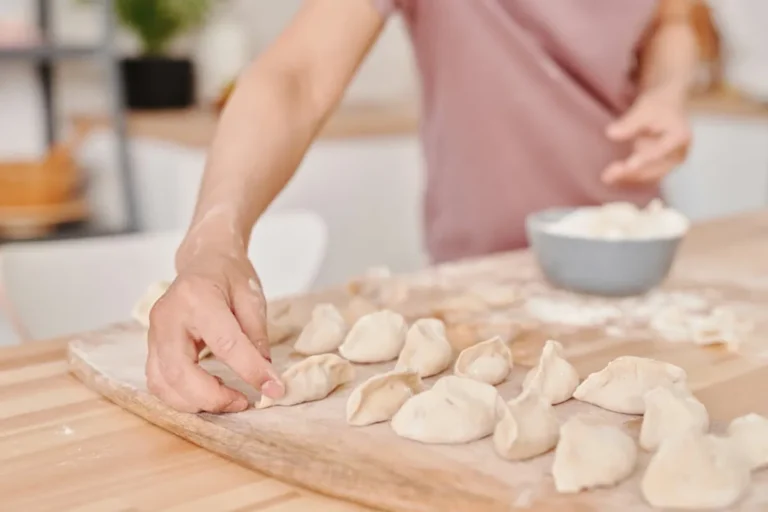
Targeting beginner audiences in any niche presents a distinct opportunity for content creators and publishers. For a topic like "homemade dumplings," where perceived difficulty can deter new cooks, effective content strategies focus on demystifying the process, building confidence, and delivering tangible success. SEO professionals, marketers, and site owners looking to capture this segment must understand the specific intent of a beginner: they seek clarity, simplicity, and actionable steps, often with visual reinforcement. The commercial value lies in attracting a loyal audience through helpful, accessible content, which can then be monetized through various channels, from affiliate partnerships for kitchen tools and ingredients to premium content or ad impressions. The following strategies outline approaches to content creation that resonate with novice dumpling makers, designed to maximize engagement, search visibility, and long-term audience retention.
What to Look For in Beginner-Focused Content Strategies
When developing content for beginners in the homemade dumpling niche, consider several key attributes that drive success. First, content must prioritize clarity and simplicity, breaking down complex processes into manageable, unambiguous steps. Visual aids—high-quality images and short, focused videos—are paramount for demonstrating techniques that text alone cannot fully convey. Second, anticipate common beginner pain points, such as dough consistency, filling ratios, and folding methods, and address them proactively with troubleshooting tips. Third, offer practical advice on ingredient sourcing, equipment essentials (and alternatives), and time management, as these are frequent concerns for those new to cooking. Finally, content should foster a sense of accomplishment, encouraging repeat visits and sharing. Strategies that integrate these elements are more likely to rank well, engage users, and convert casual visitors into dedicated followers.
1. Visual-First, Step-by-Step Recipe Guides
Positioning: For beginner cooks, the primary barrier is often confidence and clarity. Text-heavy recipes can overwhelm. Visual-first guides, integrating high-quality photography or short video clips for each critical step—from dough mixing and kneading to filling and folding—address this directly. This content type maps precisely to "how-to" intent, providing immediate value and reducing perceived complexity. It's a fundamental approach for capturing and retaining a novice audience, building trust through demonstrable success.
Best for: High-intent beginner queries, rich snippet potential (how-to schema, video objects), reducing bounce rates, fostering user confidence.
Pros: Maximizes engagement and time-on-page. Creates opportunities for visual search optimization. Strong potential for social sharing and backlinks from other food blogs or culinary sites. Directly addresses user pain points regarding technique. Enhances E-E-A-T signals through clear, expert demonstration.
Cons: Production is resource-intensive, requiring skilled photography/videography and editing. Content updates can be more complex than text-only revisions. Initial investment in visual assets is significant.
Verdict: Non-negotiable for a beginner-focused food niche. While demanding to produce, the long-term SEO and user engagement benefits make it a cornerstone content strategy. Prioritize clarity and simplicity in visual execution.
2. Simplified Ingredient Lists and Smart Substitutions
Positioning: Beginners are often intimidated by long, exotic ingredient lists or the need to source specialty items. Content that focuses on accessible, common ingredients, alongside clear, practical substitutions for less common ones, lowers the entry barrier. This strategy directly addresses commercial intent for ingredient purchases, offering opportunities for affiliate links to grocery delivery services or specific product brands. It positions the content as practical and budget-friendly, appealing to a broad segment of new cooks.
Best for: Broadening audience reach, affiliate marketing opportunities, addressing budget-conscious search queries, reducing perceived complexity.
Pros: Increases recipe accessibility and appeal to a wider demographic. Creates natural opportunities for internal linking to ingredient-focused content. Positions the site as practical and resourceful. Can capture long-tail queries related to ingredient alternatives.
Cons: Requires thorough knowledge of culinary science to ensure substitutions don't compromise recipe integrity. May dilute the authenticity of some traditional recipes if not handled carefully. Risk of overwhelming users with too many options.
Verdict: Essential for beginner inclusivity and commercial relevance. Focus on common, reliable substitutions that maintain flavor and texture, clearly explaining any compromises. This builds trust and provides actionable value.
3. Troubleshooting Common Beginner Mistakes
Positioning: Anticipating and addressing problems before they occur is a hallmark of truly helpful beginner content. A dedicated guide or section on "Why Your Dumplings Fell Apart" or "How to Fix Sticky Dough" directly targets informational intent driven by frustration. This content builds authority and trust by demonstrating empathy for the user's journey and providing immediate solutions. It also creates valuable long-tail keyword opportunities around specific problems.
Best for: Building authority, capturing problem-solving search queries, reducing frustration, fostering user loyalty.
Pros: High relevance for users actively struggling, leading to strong engagement. Positions the site as a reliable resource for problem resolution. Generates specific, high-intent long-tail traffic. Excellent for internal linking to relevant recipe steps.
Cons: Requires deep understanding of the craft to accurately diagnose and prescribe solutions. Content can become overly technical if not simplified for beginners. May inadvertently highlight potential difficulties, though the benefit of solutions usually outweighs this.
Verdict: A high-value content strategy that directly supports the beginner's journey. Structure this content with clear problem statements and concise, actionable solutions, potentially using visual examples of common errors and corrections.
4. Batch Cooking and Freezing Instructions
Positioning: For beginners, the effort involved in making dumplings often feels substantial. Providing clear, concise instructions on how to scale recipes for batch cooking and, crucially, how to properly freeze and reheat homemade dumplings, adds immense practical value. This content addresses time-saving and meal-prep intent, appealing to busy individuals who want to enjoy homemade food without daily effort. It extends the utility of the core recipe content beyond a single meal.
Best for: Meal planners, busy individuals, extending content utility, capturing "make ahead" and "freezer friendly" search terms.
Pros: Enhances the perceived value and practicality of homemade dumplings. Drives repeat engagement by making the process more sustainable for users. Creates opportunities for related content on meal planning or storage solutions. Appeals to a broader lifestyle segment.
Cons: Requires precise instructions to prevent food safety issues or quality degradation. May necessitate additional equipment recommendations (e.g., freezer bags, containers), which could be seen as an added cost for beginners.
Verdict: A highly effective strategy for increasing the practical utility of dumpling recipes. Focus on clear, step-by-step guidance for freezing and reheating, emphasizing food safety and quality preservation to build user trust.
5. Essential Equipment Guides (Minimalist Approach)
Positioning: New cooks often hesitate due to perceived equipment requirements. Content that identifies only the truly essential tools for making dumplings, while explicitly stating what is optional or can be substituted, removes a significant barrier. This minimalist approach reassures beginners that they don't need a specialized kitchen setup. It also provides clear commercial opportunities for affiliate links to recommended basic tools, framed as "starter kits" or "beginner essentials."
Best for: Reducing perceived cost/complexity, affiliate revenue, targeting "beginner kitchen tools" queries, attracting budget-conscious users.
Pros: Directly addresses a common beginner concern about investment. Creates a clear path for affiliate monetization without being overly pushy. Positions the content as practical and accessible. Can be a gateway to more advanced equipment guides later.
Cons: Risk of over-simplifying if truly useful tools are omitted. Requires careful balance to recommend quality essentials without appearing to "sell" too aggressively. The "minimalist" definition can vary.
Verdict: Crucial for attracting beginners. Focus on demonstrating how common kitchen items can suffice, while gently recommending one or two genuinely useful, affordable tools that significantly ease the process. Transparency is key.
6. Regional Variations with Beginner-Friendly Recipes
Positioning: The world of dumplings is vast. Introducing beginners to a few distinct, yet fundamentally simple, regional variations (e.g., Chinese jiaozi, Polish pierogi, Italian ravioli) broadens the appeal of the niche without overwhelming. Each variation should be presented with a beginner-friendly recipe that highlights its unique characteristics while maintaining the core principles of dough and filling. This approach caters to cultural curiosity and expands the potential keyword landscape.
Best for: Expanding content breadth, cultural engagement, targeting diverse ethnic food queries, cross-linking opportunities.
Pros: Appeals to a wider audience interested in global cuisine. Provides opportunities for rich cultural context, enhancing E-E-A-T. Creates natural pathways for internal linking between different dumpling types. Keeps content fresh and varied.
Cons: Requires careful research to ensure cultural accuracy and respect. Risk of diluting the "beginner" focus if variations become too complex. May require adapting traditional recipes to truly be beginner-friendly.
Verdict: An excellent strategy for long-term audience growth and content diversity. Ensure each regional recipe is genuinely simplified and clearly explains any unique techniques, maintaining the "beginner" promise.
7. Interactive Recipe Cards and Tools
Positioning: Moving beyond static text, interactive elements can significantly enhance the beginner experience. This includes recipe cards with adjustable serving sizes, ingredient calculators, or even simple quizzes to help users choose a dumpling type. Such tools provide immediate, personalized value, increasing time-on-page and reducing bounce rates. They also offer opportunities for data collection (e.g., preferred serving sizes) for future content optimization.
Best for: Enhanced user experience, increased engagement, data collection, standing out from static content, potential for schema markup.
Pros: Drives higher user satisfaction and perceived value. Can lead to longer session durations and lower bounce rates. Offers unique opportunities for social sharing ("I just made X dumplings with this tool!"). Provides valuable user preference data.
Cons: Development requires technical expertise or investment in third-party tools. Maintenance and updates can be more complex. Must be mobile-responsive and load quickly to avoid frustrating users.
Verdict: A powerful differentiator for sites aiming for advanced user engagement. Start with simple, high-impact interactive elements like serving size adjusters, then expand based on user feedback and technical capabilities.
8. Ingredient Sourcing and Cost-Saving Tips
Positioning: For many beginners, the cost of ingredients or the difficulty in finding specific items can be a deterrent. Content that guides users on where to buy ingredients (local markets, online retailers), how to select quality produce, and strategies for reducing overall cost (e.g., making broth from scraps, buying in bulk) adds significant commercial and practical value. This opens direct avenues for affiliate marketing with food suppliers or kitchenware brands.
Best for: Affiliate marketing, budget-conscious audience, local SEO opportunities (e.g., "Asian markets near me"), building trust through practical advice.
Pros: Directly addresses financial concerns, broadening appeal. Creates clear, ethical monetization pathways. Can generate local search traffic for specific ingredient types. Positions the content as a comprehensive resource beyond just recipes.
Cons: Recommendations for local sourcing can be geographically specific and require constant updating. Affiliate relationships need careful management and disclosure. Risk of appearing overly commercial if not balanced with genuine advice.
Verdict: A highly commercially relevant content strategy. Focus on actionable, money-saving tips and reliable sourcing advice. Integrate affiliate links naturally where they genuinely add value, always prioritizing user benefit.
9. Flavor Profiles and Pairing Suggestions (Simplified)
Positioning: Once beginners master the basic dumpling, they often seek ways to expand their culinary repertoire. Content that introduces simple flavor profiles (e.g., umami, savory, spicy) and offers straightforward pairing suggestions (e.g., dipping sauces, complementary side dishes) elevates the beginner experience. This encourages experimentation and repeat visits, moving users from basic instruction to culinary exploration. It also creates opportunities for cross-promotion of other food-related content.
Best for: Encouraging repeat engagement, cross-linking, driving deeper culinary exploration, capturing "what to serve with" queries.
Pros: Enhances the overall user experience by adding depth and creativity. Drives internal linking to other recipes (sauces, sides). Positions the site as a comprehensive culinary resource. Appeals to users looking to expand their skills.
Cons: Must remain beginner-friendly, avoiding overly complex flavor theory. Risk of overwhelming users with too many options. Requires a good understanding of food science and taste pairings.
Verdict: An effective strategy for nurturing audience growth beyond initial recipe success. Keep suggestions simple, clear, and actionable, focusing on readily available ingredients and straightforward preparation methods.
10. "Dump-and-Go" or Minimal-Effort Recipes
Positioning: A significant segment of beginners seeks the absolute easiest path to success. Content featuring "dump-and-go" fillings, no-knead doughs (if applicable), or using pre-made wrappers focuses specifically on minimizing effort and time. This strategy targets users with high convenience intent, often appealing to those with limited time or cooking experience. It expands the potential audience to include those who might otherwise avoid homemade dumplings entirely.
Best for: Time-constrained individuals, absolute beginners, targeting "easy dumpling recipe" queries, high conversion potential for convenience-focused products.
Pros: Lowers the barrier to entry significantly, attracting a wider audience. High potential for quick wins and positive user feedback. Can generate viral appeal due to simplicity. Excellent for demonstrating that homemade doesn't have to mean complicated.
Cons: May not align with traditional dumpling-making values, potentially alienating purists. Quality and flavor might be compromised compared to more involved methods. Requires careful recipe development to ensure success despite minimal effort.
Verdict: A valuable strategy for capturing the most hesitant beginners. Emphasize speed and simplicity without sacrificing an acceptable level of quality. Clearly set expectations about the "minimal effort" nature of these recipes.
11. "Master Dough" vs. Pre-Made Wrappers Analysis
Positioning: A critical decision for beginner dumpling makers is whether to make dough from scratch or use store-bought wrappers. Content that provides a balanced, beginner-focused analysis of both options—detailing pros, cons, and when to choose each—empowers users to make an informed decision. This content type directly addresses comparison intent and provides practical guidance, building trust and positioning the site as a knowledgeable authority. It also creates opportunities for affiliate links to recommended pre-made wrapper brands or flour types.
Best for: Decision-making support, comparison queries, affiliate marketing for ingredients/products, building authority.
Pros: Directly addresses a common beginner dilemma. Provides practical, actionable advice that saves users time and potential frustration. Offers clear pathways for affiliate monetization. Can be structured as a comparison table for quick user comprehension.
Cons: Requires objective analysis and avoiding bias. May need to be updated as product availability or quality changes. Risk of over-complicating a seemingly simple choice if not presented clearly.
Verdict: Highly effective for guiding beginners through a fundamental choice. Focus on clear, concise comparisons of effort, cost, and outcome for both options, helping users align their choice with their personal goals and skill level.
12. Health and Dietary Adaptations (e.g., Gluten-Free, Vegan)
Positioning: As dietary preferences and restrictions become more prevalent, offering beginner-friendly adaptations for gluten-free, vegan, or other specific diets significantly expands the target audience. This content demonstrates inclusivity and caters to a growing segment of health-conscious or restricted eaters. Each adaptation should focus on simple ingredient swaps and technique adjustments that yield successful results for beginners, without requiring advanced culinary knowledge.
Best for: Niche audience targeting, health-conscious queries, demonstrating inclusivity, expanding keyword footprint.
Pros: Captures highly specific and often underserved niche markets. Builds a reputation for comprehensive and inclusive content. Creates opportunities for affiliate links to specialty ingredients. Can lead to strong community engagement from specific dietary groups.
Cons: Requires specialized knowledge to ensure successful and palatable adaptations. Ingredient costs for specialty items can be higher, which might deter some beginners. Recipes may be more complex than their traditional counterparts.
Verdict: A strategic move for long-term audience growth. Focus on one or two key adaptations initially, ensuring the recipes are genuinely beginner-friendly and produce a satisfying result, then expand based on audience demand.
Choosing the Right Content Strategy for Your Audience
Selecting the optimal content strategies for "homemade dumplings for beginners" involves understanding your specific audience's needs and your resources. If your primary goal is rapid audience acquisition through broad appeal, prioritize visual-first guides and simplified ingredient lists. For deeper engagement and authority building, invest in troubleshooting content and batch cooking instructions. If monetization through affiliate partnerships is a key objective, focus on equipment guides, ingredient sourcing, and "master dough vs. pre-made" analyses. Evaluate your team's capacity for visual content production versus written guides, and consider the technical feasibility of interactive tools. The most effective approach often involves a blend of these strategies, ensuring a comprehensive resource that addresses various beginner pain points and commercial opportunities. Regularly analyze search query data and on-page engagement metrics to refine your content mix and identify underserved areas within the beginner demographic.
Frequently Asked Questions for Beginner Dumpling Makers
What's the easiest dumpling dough for beginners?
For absolute beginners, a simple flour and water dough is generally the easiest to handle. Many recipes suggest a 2:1 flour to water ratio by weight, with a little salt. The key is to knead until smooth and let it rest, which makes it more pliable. Alternatively, using good quality store-bought wrappers eliminates the dough-making step entirely, significantly simplifying the process.
How do I prevent my homemade dumplings from sticking?
To prevent sticking, ensure your work surface and rolling pin are lightly floured when rolling out dough or forming dumplings. After folding, place finished dumplings on a parchment-lined tray or plate, making sure they don't touch each other. If