Navigating the world of green papaya can seem daunting for culinary novices, yet this versatile fruit offers a unique texture and flavor profile essential to many global cuisines. Unripe papaya, distinct from its sweet, ripe counterpart, is prized for its firm, crisp flesh and mild, slightly bitter taste, making it an ideal canvas for savory applications. For beginners, the challenge often lies in selecting the right variety, understanding its preparation, and integrating it effectively into dishes without culinary mishap. For beginners, the challenge often lies in selecting the right variety, understanding its preparation, and integrating it effectively into dishes without culinary mishap, but a simple guide can help.
This guide cuts through the ambiguity, focusing on specific green papaya options and forms that simplify the process for first-time users. We evaluate each based on accessibility, ease of preparation, and suitability for common beginner-friendly dishes, providing a practical framework for confident exploration. The goal is to demystify green papaya, transforming it from an exotic ingredient into an approachable staple for your kitchen.
How to Choose Green Papaya for Beginners
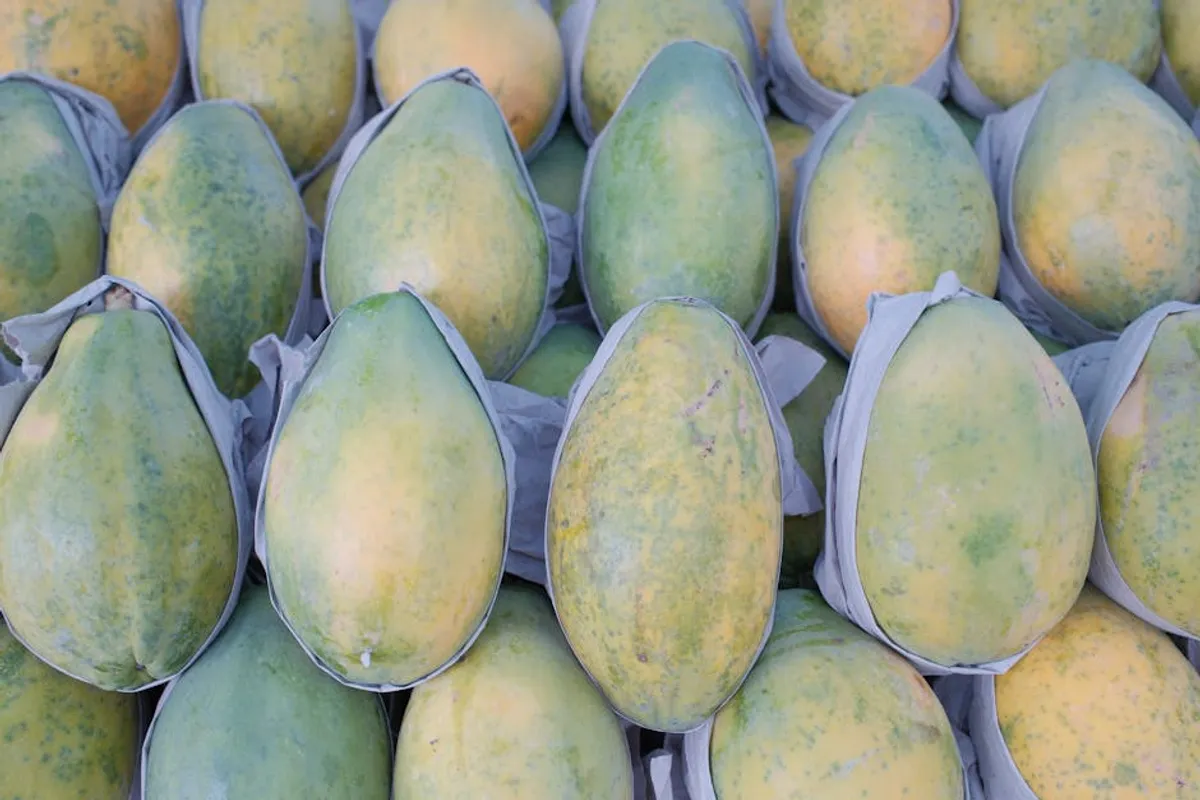
Selecting the right green papaya is the first critical step for a successful culinary experience. For beginners, focus on key indicators that ensure freshness, optimal texture, and ease of handling. Look for fruit that is uniformly green, without any streaks of yellow or orange, which signify ripening. The skin should be smooth and taut, free from blemishes, soft spots, or wrinkles. A firm feel when gently pressed is crucial; avoid any papayas that yield significantly to pressure, as these are likely past their prime for savory applications.
Size can also be a consideration. Smaller to medium-sized green papayas (roughly 1-2 pounds) are often easier to handle, peel, and shred for beginners. Larger varieties, while yielding more flesh, can be more cumbersome. If purchasing whole, ensure the stem end is intact and shows no signs of mold. For pre-prepared options, check packaging for expiration dates and clear ingredient lists. Ultimately, the best choice for a beginner balances availability, ease of preparation, and suitability for the intended recipe, minimizing initial frustration and maximizing the chances of a positive outcome.
1. Common Market Green Papaya (Mexican/Caribbean Varieties)
These larger, often football-shaped green papayas are widely available in many mainstream supermarkets, especially in regions with diverse produce sections. They typically have thicker skin and denser flesh compared to their Asian counterparts, making them robust for handling but requiring a bit more effort in peeling. Their mild flavor profile makes them a forgiving ingredient for beginners, as they readily absorb the flavors of accompanying sauces and spices without overpowering a dish.
Best for: General culinary exploration, stir-fries, stews, or when a large quantity is needed. Good for beginners comfortable with basic knife skills.
Pros: Wide availability; relatively low cost; large size yields ample flesh; mild flavor adapts well to various cuisines; robust for storage.
Cons: Thicker skin requires more effort to peel; denser flesh can be harder to shred manually; less traditional for authentic Thai salads, potentially requiring longer cooking times for tenderness.
Verdict: A solid entry point for beginners due to its accessibility and versatility. While peeling and shredding may take practice, its mildness and availability make it a practical choice for initial experimentation.
2. Thai-Style Green Papaya (from Asian Markets)
Often smaller and more slender than common market varieties, Thai-style green papayas are the traditional choice for classic dishes like Som Tum (Thai Green Papaya Salad). They feature thinner skin and a crisper, more delicate flesh that shreds beautifully into fine strands. Sourcing these usually requires a visit to an Asian grocery store, where they are typically sold firm and intensely green. Their specific texture is highly valued for salads, offering a satisfying crunch that is difficult to replicate with other varieties.
Best for: Authentic Thai and Vietnamese salads, beginners seeking specific texture for cold dishes, those with access to specialty markets.
Pros: Ideal crisp texture for salads; thinner skin is easier to peel; smaller size is more manageable for single recipes; authentic flavor profile for traditional dishes.
Cons: Limited availability outside of Asian markets; generally higher price point; requires specific shredding techniques for optimal results (e.g., using a julienne peeler or traditional Thai shredder).
Verdict: For beginners keen on making authentic Asian salads, this is the definitive choice. The slight effort in sourcing and specific shredding technique is rewarded with an unmatched texture and flavor profile.
3. Pre-Shredded Fresh Green Papaya
This option represents the pinnacle of convenience for beginners, eliminating the most labor-intensive step of peeling and shredding a whole papaya. Found in the refrigerated produce section of many Asian markets or specialty grocers, it provides immediate access to the core ingredient for dishes like Som Tum. Its ready-to-use format significantly lowers the barrier to entry for first-time users, allowing them to focus on flavor assembly rather than prep work. Quality can vary between brands, so visual inspection for freshness is key.
Best for: Absolute beginners, busy cooks, those without specialized shredding tools, quick meal prep, reducing kitchen mess.
Pros: Requires no peeling or shredding; consistent texture (usually); significantly reduces preparation time; immediately ready for use in salads or quick stir-fries; minimizes food waste from peeling.
Cons: Higher cost per serving than whole fruit; shorter shelf life once opened; potential for inconsistent shred thickness across brands; limited availability in standard supermarkets; may lack the freshest possible flavor compared to freshly shredded.
Verdict: For beginners overwhelmed by the idea of handling a whole papaya, this is the most direct route to experiencing green papaya dishes. The trade-off in cost and potential freshness is often justified by the sheer convenience and reduced intimidation factor, making it an excellent starting point.
4. Frozen Shredded Green Papaya
Offering extended shelf life and unparalleled convenience, frozen shredded green papaya is an excellent pantry staple for beginners. Typically found in the freezer section of Asian or international grocery stores, it provides a ready-to-use ingredient that can be stored for months. While the freezing process can slightly alter the crispness compared to fresh, it still retains much of the characteristic texture and flavor. It's particularly useful for cooked applications or when fresh options are unavailable.
Best for: Long-term storage, spontaneous cooking, cooked dishes like curries or stews, beginners with limited access to fresh green papaya.
Pros: Extended shelf life; ready to use with minimal thawing; reduces food waste; consistent availability; maintains much of the flavor and texture for cooked applications.
Cons: May have a slightly softer texture than fresh, especially for salads; requires thawing before use; can be harder to find in conventional supermarkets; potential for clumping if not stored properly after opening.
Verdict: An invaluable resource for beginners prioritizing convenience and shelf stability. While not always ideal for raw salads where maximum crispness is paramount, its utility in cooked dishes and accessibility make it a smart choice for maintaining a consistent supply.
5. Canned Green Papaya in Brine
Canned green papaya offers the ultimate in shelf stability and minimal preparation, making it highly accessible for beginners. Typically packed in water or light brine, these pieces are already peeled, cut, and partially cooked, resulting in a softer texture than fresh or frozen options. While this format sacrifices the crispness desired for salads, it excels in applications where a tender, absorbent vegetable is preferred, such as in curries, stews, or braises. Its widespread availability in international aisles broadens its reach.
Best for: Cooked dishes requiring a tender vegetable, beginners seeking maximum convenience and shelf life, emergency pantry stocking, those without access to fresh or frozen options.
Pros: Extremely long shelf life; requires no preparation beyond draining; very consistent texture; widely available in many supermarkets; excellent for absorbing flavors in slow-cooked dishes.
Cons: Lacks the crisp texture of fresh green papaya, making it unsuitable for salads; flavor can be milder or slightly altered by the canning process; sodium content from brine may need rinsing; limited to cooked applications.
Verdict: An excellent choice for beginners focused on cooked dishes and convenience. While it won't replicate the fresh salad experience, its ease of use and pantry-friendly nature make it a practical option for exploring green papaya's savory potential.
6. Young Tainung Green Papaya
The Tainung variety, though more commonly known for its ripe, sweet fruit, can be harvested young and green, offering a distinct experience. When picked unripe, Young Tainung green papayas tend to be slightly smaller with a thinner skin and a particularly mild, almost neutral flavor. Their flesh is often less fibrous than other large varieties, making them easier to shred and more tender in cooked applications. Sourcing these may require a specialty produce market or direct farm access.
Best for: Beginners seeking a mild-flavored, less fibrous option; those interested in a slightly more tender texture for both raw and cooked dishes.
Pros: Very mild flavor profile; relatively thin skin is easier to peel; less fibrous flesh is easier to shred and cooks faster; versatile for a range of recipes.
Cons: Less widely available than common market varieties; may be confused with ripe Tainung if not carefully selected; typically a higher price point due to specialty sourcing.
Verdict: A refined choice for beginners who appreciate subtler flavors and easier preparation. Its less fibrous nature makes it a forgiving ingredient, though its availability requires more intentional sourcing.
7. Organic Whole Green Papaya
For beginners prioritizing organic produce, selecting an organic whole green papaya ensures the fruit has been grown without synthetic pesticides or fertilizers. These are typically available at health food stores, organic markets, or through community-supported agriculture (CSA) programs. While the organic certification primarily relates to cultivation practices, these papayas often represent heirloom or smaller-batch varieties, potentially offering a more vibrant flavor and consistent quality compared to conventionally grown options. Preparation remains the same as any whole green papaya.
Best for: Beginners committed to organic eating, those seeking potentially higher quality and flavor, environmentally conscious consumers.
Pros: Grown without synthetic chemicals; often associated with fresher, higher-quality produce; supports sustainable farming practices; can offer a more robust flavor profile.
Cons: Significantly higher cost than conventional green papaya; availability can be limited to specialty organic retailers; still requires full peeling and shredding by the beginner.
Verdict: A suitable choice for beginners whose primary concern is organic sourcing. While it doesn't simplify the preparation process, it aligns with specific dietary and ethical preferences, ensuring a clean ingredient for culinary experimentation.
8. Small-Batch Farmed Green Papaya
Sourced from local farms or specialty grocers that emphasize direct-from-farm produce, small-batch farmed green papayas often boast superior freshness and a more consistent quality. These papayas might not adhere to specific variety labels but are typically picked at their prime green stage. The benefit for beginners lies in the freshness, which translates to a firmer texture and more pronounced, clean flavor. Access to these often depends on seasonal availability and local food networks.
Best for: Beginners seeking peak freshness and flavor, those supporting local agriculture, cooks with access to farmer's markets or specialty produce stores.
Pros: Exceptional freshness and crispness; often a more vibrant flavor; supports local economies; potentially fewer days from harvest to table; consistent quality from reliable growers.
Cons: Limited availability, often seasonal; higher price point due to small-scale production; requires full preparation (peeling, shredding); may not be consistently available year-round.
Verdict: An excellent option for beginners who prioritize quality and freshness above all else. While requiring full manual preparation, the superior ingredient quality can elevate initial culinary attempts, making the effort worthwhile.
9. Green Papaya from Indian Grocers
Green papaya found in Indian grocery stores often represents varieties cultivated or imported for specific South Asian culinary applications. These papayas can vary in size but are typically firm and slightly more mature than those preferred for Thai salads, making them excellent for cooked dishes. Their flesh tends to be denser and holds up well to longer cooking times, making them ideal for curries, stews, and sabzis where they absorb spices beautifully. The slightly more developed flavor can add depth to these dishes.
Best for: Beginners exploring South Asian cuisine, cooked applications like curries and stews, those seeking a green papaya that maintains texture through longer cooking.
Pros: Excellent for cooked dishes; holds shape and texture well during extended cooking; readily absorbs spices and flavors; often available in larger sizes suitable for family meals.
Cons: May be too firm or less crisp for raw salads; can have a slightly more pronounced "papaya" flavor than very young varieties; requires full peeling and shredding/chopping by the beginner.
Verdict: A strong contender for beginners interested in savory, cooked green papaya dishes. Its robust nature and suitability for slow-cooking make it a forgiving ingredient, though its texture might not be ideal for raw salad applications.
10. Green Papaya for Pickling (Firm Varieties)
For beginners interested in fermentation or preserving, selecting a very firm, robust green papaya is crucial. Certain varieties, often larger and with dense flesh, are particularly well-suited for pickling due to their ability to retain their crisp texture even after being submerged in brine. These papayas typically have minimal sweetness and a neutral flavor that readily takes on the tang and spice of pickling liquids. Sourcing usually involves general produce sections or larger international markets.
Best for: Beginners exploring pickling and fermentation, those seeking a crunchy texture in preserved foods, cooks who enjoy making condiments from scratch.
Pros: Excellent for retaining crispness in pickling; neutral flavor base for various brine profiles; extends shelf life of the ingredient; offers a unique texture in preserved form.
Cons: Requires specific preparation for pickling (slicing, shredding, salting); not suitable for fresh consumption after pickling; may require finding specific recipes for successful pickling.
Verdict: An interesting avenue for beginners looking beyond immediate consumption. While the initial preparation is similar to fresh use, the end product offers a distinct culinary experience, expanding the beginner's repertoire into food preservation.
11. Green Papaya in Ready-to-Cook Kits
Some specialty food retailers or online meal kit services occasionally offer green papaya as part of a pre-portioned, ready-to-cook kit for specific dishes, often Thai or Vietnamese salads. These kits provide not only the green papaya (usually pre-shredded or pre-cut) but also all the necessary accompanying ingredients and sauces in precise measurements. This format significantly reduces decision fatigue and ingredient sourcing for beginners, offering a highly guided culinary experience.
Best for: Absolute beginners desiring a foolproof introduction to a specific green papaya dish, those with limited time for ingredient shopping, gift-giving for aspiring cooks.
Pros: All ingredients pre-portioned and included; step-by-step instructions simplify cooking; eliminates ingredient sourcing and measurement errors; guarantees a specific dish outcome.
Cons: Higher cost per meal than buying individual ingredients; limited variety of dishes; may not be consistently available; can generate more packaging waste.
Verdict: The ultimate convenience for beginners who want to try a specific green papaya