Preparing green papaya at home offers control over freshness, ingredient quality, and flavor balance, moving beyond pre-made options or restaurant interpretations. This guide details the process from selecting the right fruit to achieving a balanced, authentic taste, ensuring your efforts yield a dish tailored to specific preferences for spice, sweetness, and tang. Understanding the nuances of preparation allows for consistent results and opens up culinary versatility with this unique ingredient.
Selecting Your Ingredients
Choosing the Right Green Papaya
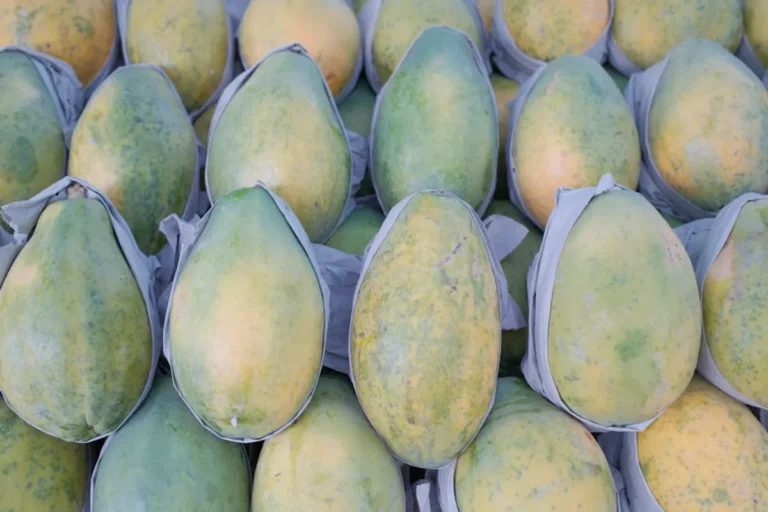
The foundation of any green papaya dish is the papaya itself. Look for firm, unblemished fruit with uniformly green skin. Avoid papayas showing any yellowing, which indicates ripeness and a softer texture less suitable for savory preparations. A truly green papaya will feel heavy for its size and offer significant resistance when pressed. Size can vary, but a medium-sized papaya, roughly 1.5 to 2 pounds, is typically manageable for most home kitchens and yields a good quantity for a side dish or salad.
Essential Pantry Items
Beyond the papaya, several key ingredients contribute to the characteristic flavor profile. These items are generally accessible and form the core of many Southeast Asian-inspired dishes:
- Fresh Limes: Essential for acidity. Choose firm, heavy limes with smooth, bright green skin for maximum juice yield.
- Fish Sauce: Provides umami and saltiness. Opt for a reputable brand with a clear, amber color and a clean, briny aroma.
- Palm Sugar: Balances the sour and salty notes with a caramel-like sweetness. Block or granulated palm sugar works, but block sugar often has a richer, less refined flavor.
- Garlic: Fresh cloves are non-negotiable for pungent depth.
- Chilies: Bird's eye chilies are common for heat, but adjust quantity based on desired spice level.
- Peanuts: Roasted, unsalted peanuts add crunch and a nutty undertone.
- Tomatoes: Cherry tomatoes or small ripe tomatoes provide sweetness and a burst of juiciness.
- Green Beans: Optional, but often included for added texture and freshness.
Preparing the Green Papaya
Peeling and Seeding
The first step involves removing the tough outer skin and seeds. Use a sharp vegetable peeler or a paring knife to carefully remove the green skin, working from top to bottom. Once peeled, cut the papaya in half lengthwise. You will find a cavity filled with white seeds and fibrous material. Use a spoon to scrape out all the seeds and the stringy bits clinging to the flesh. This step is crucial, as any remaining fibers can impart a bitter taste.
Shredding Techniques
Achieving the characteristic julienned texture is key. There are several methods:
- Julienne Peeler: This is the quickest and most consistent method for even strands. Hold the papaya firmly and draw the peeler down its length.
- Mandoline Slicer: If you have a mandoline with a julienne blade, it can produce very uniform strips rapidly. Exercise caution and use the safety guard.
- Knife Method: For those without specialized tools, carefully slice the papaya into thin planks, then stack the planks and cut them into matchstick-sized strips. This requires more precision but is entirely feasible.
Once shredded, immediately submerge the papaya in a bowl of ice water for 15-20 minutes. This helps crisp the strands and remove excess sap, which can sometimes be slightly bitter. Drain thoroughly and pat dry before use.
Assembling Your Dish
Balancing Sweet, Sour, Salty, and Spicy
The art of green papaya salad (or other green papaya preparations) lies in the harmonious balance of fundamental tastes. A traditional mortar and pestle is ideal for bruising and blending ingredients, releasing their full flavors. Begin by pounding garlic and chilies together until a coarse paste forms. Add green beans (if using) and lightly bruise them. Next, add the shredded papaya, tomatoes, and peanuts. Incorporate the dressing ingredients: lime juice, fish sauce, and palm sugar. The palm sugar should be dissolved in a small amount of warm water if using a block, or simply added as granules. Pound and toss gently, ensuring all ingredients are well combined and the papaya strands absorb the flavors.
Pro Tip: When using a mortar and pestle, avoid over-pounding the papaya. The goal is to bruise it slightly, allowing it to absorb the dressing, not to mash it into a pulp. Gentle tossing and light pounding are sufficient to integrate flavors without compromising texture.
Customizing for Taste
Taste the mixture frequently and adjust as needed. If it's too sour, add more palm sugar. Too sweet, add more lime juice. Lacking depth, a touch more fish sauce can enhance umami. For increased heat, additional chilies can be bruised in. Some recipes include dried shrimp for an extra layer of savory complexity, or tamarind paste for a deeper sour note. Experimentation within these flavor profiles allows for personalized results.
Serving Suggestions and Storage
Green papaya preparations are best served immediately after assembly to preserve the crispness of the papaya and the vibrancy of the dressing. It makes an excellent accompaniment to grilled meats, sticky rice, or as a refreshing standalone salad. If you have leftovers, store them in an airtight container in the refrigerator. The papaya will soften slightly over time as it continues to marinate in the dressing, but it remains palatable for up to 24 hours. For optimal texture, aim to consume it fresh.
Achieving Authentic Flavors
Mastering homemade green papaya dishes comes down to careful ingredient selection, precise preparation, and attentive seasoning. The initial investment in fresh, quality components directly impacts the final outcome. By focusing on the balance of sweet, sour, salty, and spicy elements, and adapting techniques to your kitchen tools, you can consistently produce dishes that rival those found in specialized eateries. This hands-on approach not only enhances your culinary skills but also ensures every bite meets your exact flavor expectations.
Frequently Asked Questions
Can I use a food processor to shred green papaya?
While a food processor can shred papaya, it often produces shorter, less uniform strands than a julienne peeler or mandoline, which can affect the dish's texture. For best results, manual shredding methods are preferred.
How do I prevent the papaya from turning bitter?
Ensure all seeds and fibrous white material are thoroughly scraped out. Soaking the shredded papaya in ice water for 15-20 minutes also helps draw out any residual bitterness and crisp the fruit.
What if I can't find palm sugar?
Light brown sugar can be used as a substitute for palm sugar, though it will impart a slightly different, less complex sweetness. Start with a smaller amount and adjust to taste.
Is there a vegetarian or vegan alternative to fish sauce?
Yes, vegetarian fish sauce alternatives made from seaweed or mushrooms are available in specialty stores. Soy sauce can also provide a salty, umami flavor, but it will alter the traditional taste profile.