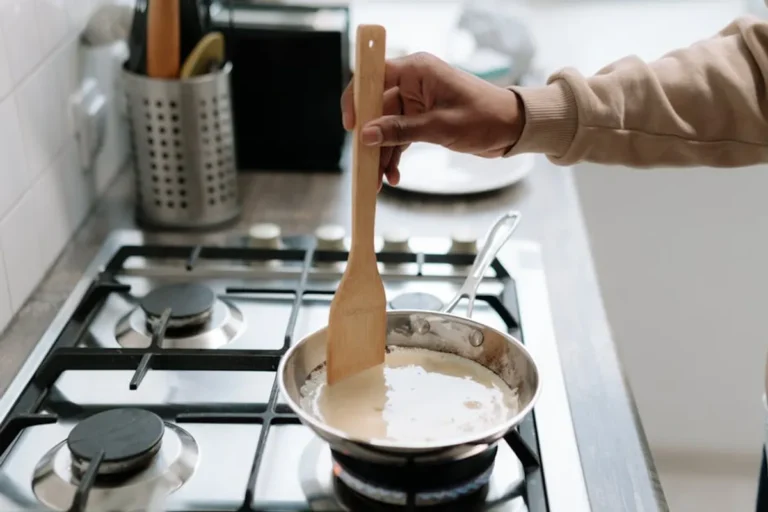
The appeal of baking lies in its ability to transform basic ingredients into comforting, delicious outcomes. For many home bakers, however, the process can seem daunting, often involving complex techniques, specialized equipment, or obscure ingredients. The demand for "easy baking recipes with simple ingredients" addresses this directly, offering a pathway to kitchen confidence and consistent results without extensive preparation or expense. This approach prioritizes accessibility, making baking a feasible activity for busy individuals, beginners, or anyone looking to minimize grocery lists and maximize enjoyment. Understanding how to identify, develop, and execute these types of recipes is crucial for both personal culinary satisfaction and for content creators aiming to engage a broad, budget-conscious audience.
Defining "Easy" and "Simple Ingredients" in Baking
To effectively leverage the concept of easy baking, it's essential to establish clear parameters for what constitutes "easy" and what qualifies as "simple ingredients." These definitions drive recipe selection, development, and the overall user experience, ensuring that expectations align with outcomes.
What Makes a Recipe Easy?
An "easy" baking recipe typically minimizes barriers to entry. This includes:
- Minimal Steps: Recipes that consolidate mixing, reduce proofing times, or eliminate intricate assembly processes. For example, a one-bowl brownie recipe is inherently easier than a multi-component layered cake.
- Common Techniques: Relying on fundamental methods like stirring, whisking, or simple folding, rather than advanced pastry techniques such as tempering chocolate, laminating dough, or precise piping.
- Short Preparation Time: Recipes designed for quick assembly, often under 15-20 minutes of active prep, allowing for faster gratification and fitting into tight schedules.
- Standard Equipment: Requiring only basic kitchen tools such as mixing bowls, baking sheets, whisks, and measuring cups, rather than stand mixers, specialized molds, or specific thermometers.
Identifying Simple Ingredients
"Simple ingredients" refers to items commonly found in most household pantries or readily available at any standard grocery store. This avoids specialty stores, online orders, or seasonal limitations. Key characteristics include:
- Pantry Staples: Flour (all-purpose), sugar (granulated, brown), eggs, butter, milk, baking powder, baking soda, salt, vanilla extract, cocoa powder, vegetable oil.
- Widely Available: Ingredients that are consistently stocked year-round across various retail environments, ensuring accessibility regardless of location or season.
- Budget-Friendly: Generally inexpensive items that do not significantly increase the cost of a recipe, making baking an economical activity.
- Versatile: Ingredients that can be used in multiple recipes, reducing the need to purchase single-use items.
Benefits for Home Bakers and Content Creators
The focus on easy recipes with simple ingredients provides distinct advantages for both the individual baker and for publishers creating culinary content.
For Home Bakers:
This approach fosters confidence and encourages regular baking. Beginners gain a sense of accomplishment without facing overwhelming challenges, while experienced bakers appreciate the efficiency. The reduced cost of ingredients makes baking a more frequent possibility, and the quick turnaround from prep to finished product offers immediate satisfaction. It also serves as a practical entry point for teaching children or new cooks about fundamental kitchen skills.
For Content Creators and Publishers:
Recipes fitting this description consistently generate high search volume and engagement. Their broad appeal ensures a wider audience reach, as almost anyone can attempt them. They are ideal for visual content (photos, videos) due to their straightforward steps, which are easy to demonstrate clearly. Furthermore, these recipes possess strong evergreen potential; basic baking principles and pantry staples remain relevant across years, providing sustained traffic and value without constant updates.
Core Categories of Simple Baking
Identifying specific recipe types that naturally align with the "easy and simple" criteria can streamline recipe development and selection.
One-Bowl Wonders
These recipes minimize cleanup and simplify the mixing process, often requiring just one bowl for all wet and dry ingredients. Examples include many brownie recipes, quick breads (like banana bread or zucchini bread), and some muffin batters. The efficiency of minimal dishwashing is a significant draw for busy bakers.
No-Bake Desserts
Eliminating the oven entirely removes a layer of complexity and heat from the kitchen. No-bake cheesecakes, energy balls, chocolate truffles, and various layered desserts using cookies or whipped cream are popular choices. These often rely on chilling to set, simplifying the cooking process.
Classic Cookies & Bars
Many traditional cookie and bar recipes are inherently simple, using foundational ingredients and straightforward mixing. Chocolate chip cookies, oatmeal cookies, shortbread, and various types of dessert bars (e.g., lemon bars, blondies) are excellent examples. Their familiar appeal and generally forgiving nature make them consistent crowd-pleasers.
Yeast-Free Bakes
Avoiding yeast removes the need for precise temperature control, proofing times, and kneading techniques. Scones, biscuits, soda bread, muffins, and many quick breads fall into this category. Leavening is typically achieved with baking powder or baking soda, which react quickly and predictably.
Pro Tip: When adapting or creating simple recipes, always consider ingredient substitutions. For instance, buttermilk can often be mimicked with milk and a splash of vinegar or lemon juice, and different types of oil can be swapped in many cake or muffin recipes. Focus on maintaining the core fat, liquid, and leavening ratios to preserve texture and structure. Clearly noting these flexible options in a recipe enhances its "simple ingredients" appeal.
Ingredient Sourcing and Substitution Strategies
Effective management of ingredients is central to easy baking. Understanding common substitutions can prevent unnecessary grocery trips and reduce food waste.
- Flour: All-purpose flour is the most versatile. For gluten-free needs, a 1:1 gluten-free blend can often substitute, though texture may vary slightly.
- Sweeteners: Granulated sugar, brown sugar (light or dark), and honey are common. Brown sugar can often substitute for granulated in certain recipes for added moisture and flavor, particularly in cookies.
- Fats: Unsalted butter, vegetable oil, and coconut oil are primary. Melted butter can often replace oil in recipes where flavor is desired, and vice-versa for a neutral profile.
- Leavening: Baking powder and baking soda are crucial. Ensure they are fresh for optimal lift.
- Dairy: Milk (any fat percentage), plain yogurt, or sour cream are interchangeable in many recipes, particularly for moisture and tang.
- Flavorings: Vanilla extract, cocoa powder, cinnamon, and other common spices.
Maximizing Accessibility and Success
Beyond the recipe itself, how it's presented and executed significantly impacts its perceived ease. Clear, concise instructions are paramount. Using bullet points for steps, bolding key actions, and including estimated prep and bake times help manage expectations. Visual aids, such as step-by-step photos or short video clips, can demystify techniques for visual learners. Furthermore, ensuring that recipes call for common kitchen equipment, rather than specialized tools, reinforces the "easy" aspect, making the process achievable for a wider audience.
Building a Simple Baking Repertoire
Developing a collection of reliable, easy baking recipes with simple ingredients provides a practical foundation for consistent kitchen success. Start by mastering one or two recipes from each core category—a go-to cookie, a dependable quick bread, and a no-fuss bar. This diversified approach ensures you have options for various occasions, cravings, and time constraints. Regularly evaluating new recipes against the criteria of minimal steps, common techniques, and pantry staples will continually refine this repertoire, turning baking into an accessible and enjoyable habit rather than an intimidating task.
Frequently Asked Questions
What is the quickest baking recipe I can make with simple ingredients?
Many mug cakes, no-bake energy balls, or two-ingredient shortbread cookies can be prepared and ready in under 15-20 minutes, using basic pantry items like flour, sugar, eggs, and butter.
Can I substitute ingredients if I don't have exactly what a recipe calls for?
Often, yes. Common substitutions include using milk plus vinegar for buttermilk, oil for melted butter in some cakes, or different types of flour (e.g., whole wheat for some all-purpose, though texture may change). Always research specific substitutions to ensure they don't compromise the recipe's structure.
Are "simple ingredient" recipes less flavorful than complex ones?
Not necessarily. Many classic, highly flavorful recipes rely on a few quality ingredients. The focus is on the inherent taste of the components and straightforward preparation, allowing the core flavors to shine without being masked by excessive additions.
What are essential simple ingredients to always keep in my pantry for baking?
Always stock all-purpose flour, granulated sugar, brown sugar, baking powder, baking soda, salt, vanilla extract, cocoa powder, butter, eggs, and milk. These form the base for a vast majority of simple baking recipes.