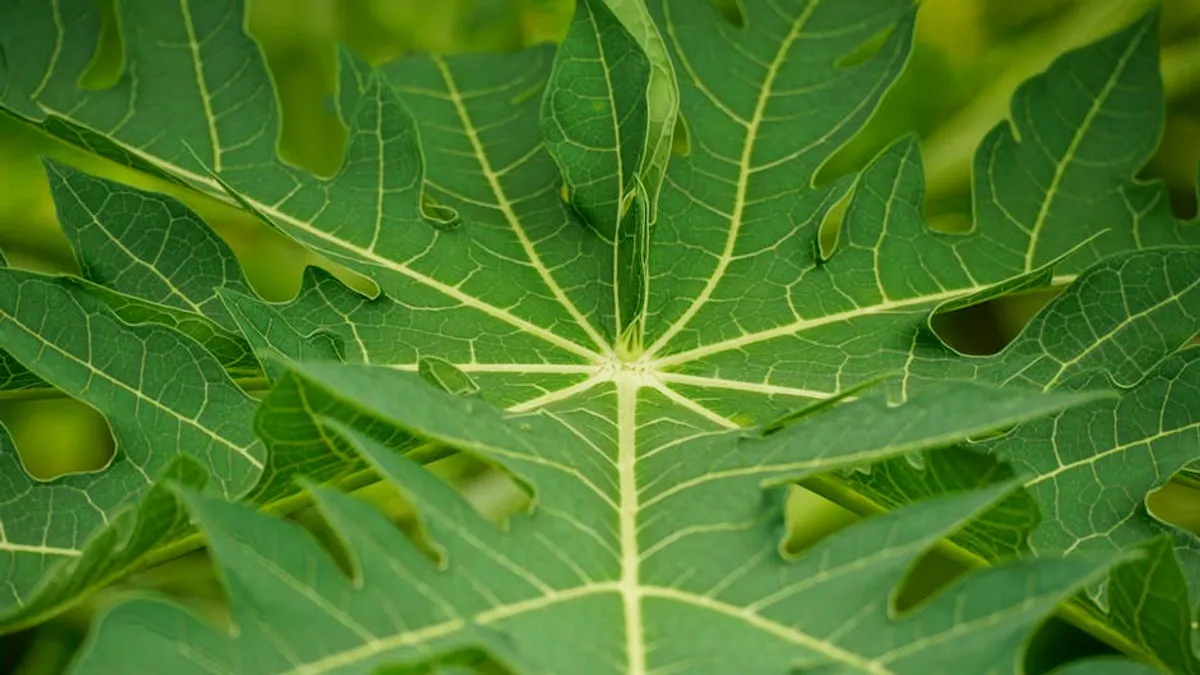
Incorporating green papaya into a menu or product line offers distinct textural and flavor advantages, but successful application hinges on precise handling. Unlike its ripe counterpart, green papaya functions as a versatile vegetable, valued for its crispness and ability to absorb robust flavors without contributing significant sweetness. Understanding its specific preparation requirements and common pitfalls ensures consistent quality in dishes ranging from salads to curries, directly impacting customer satisfaction and ingredient cost efficiency.
Selecting and Preparing Green Papaya for Culinary Use
Choosing the Right Fruit
Optimal green papaya selection is critical for desired texture and flavor. Look for fruit that is uniformly firm to the touch across its entire surface, indicating immaturity. The skin should be a vibrant, unblemished green, free from any yellowing patches or soft spots, which signal ripening. A slight sheen on the skin is acceptable, but dullness can suggest dehydration. Size is less critical than firmness; smaller green papayas often have a more concentrated crispness, while larger ones provide more yield for bulk preparation.
Efficient Peeling and Seeding Methods
Preparing green papaya begins with managing its latex sap. This milky white liquid, present directly under the skin, can be an irritant and impart a bitter taste if not handled correctly.
- Sap Management: After washing the papaya, make a few shallow lengthwise scores in the skin. Allow the papaya to rest for 5-10 minutes, letting the sap leach out. Wipe the sap away with a damp cloth or rinse under cold water.
- Peeling: Use a sharp vegetable peeler or a paring knife. A Y-peeler is often most efficient for its wide blade. Peel away the entire green skin until only the pale white or very light green flesh is exposed. Any remaining green skin will be tough and bitter.
- Seeding: Halve the peeled papaya lengthwise. Scoop out the white inner membrane and the black seeds using a spoon. These are typically discarded as they contribute no desirable flavor or texture in green papaya preparations.
Techniques for Shredding and Cutting
The final cut depends entirely on the intended dish.
For Salads (e.g., Som Tum): The most common method involves julienning. A mandoline fitted with a julienne blade produces uniform, crisp strands. Alternatively, use a sharp chef's knife to slice thin planks, then stack and slice into matchsticks. The goal is thin, pliable strips that can be easily bruised or pounded to absorb dressing.
For Curries and Stews: Cut the papaya into 1-inch to 1.5-inch chunks or wedges. Ensure pieces are uniform in size to promote even cooking. The firm flesh holds its shape well during simmering, contributing a pleasant, slightly resistant bite to slow-cooked dishes.
Rectifying Common Green Papaya Preparation Mistakes
Avoiding Overripe Fruit and Its Consequences
A primary error is using papaya that has begun to ripen. Even slight yellowing indicates the conversion of starches to sugars, resulting in a softer texture and a sweeter, less neutral flavor. This compromises the desired crispness for salads and can introduce an unwelcome sweetness into savory dishes. Always inspect thoroughly for consistent greenness and firmness.
Proper Storage to Maintain Freshness
Incorrect storage accelerates ripening and spoilage.
Pro Tip: Store whole, unpeeled green papaya at cool room temperature for up to three days if you plan to use it soon. For longer storage, or if it shows signs of ripening, refrigerate it in a perforated plastic bag for up to a week. Once cut, wrap tightly in plastic film and refrigerate, using within 24-48 hours to prevent drying and flavor loss.
Managing Latex Sap Effectively
Failing to address the latex sap results in an unpleasant, slightly bitter residue and can cause skin irritation for handlers. The initial scoring and resting period is crucial. For large quantities, some chefs opt to quickly blanch sliced green papaya in boiling water for 30 seconds, then immediately immerse in ice water to stop cooking and remove residual sap, though this can slightly soften the texture.
Ensuring Adequate Seasoning
Green papaya's mild, almost neutral flavor means it acts as a canvas. A common mistake is under-seasoning, leading to bland dishes. Its texture provides body, but the flavor must come from bold, aromatic ingredients like chilies, lime, fish sauce, garlic, and herbs. For savory applications, consider marinating or using strong flavor bases to ensure the papaya fully absorbs the intended profile.
Culinary Variations and Commercial Applications
Signature Salads
The most iconic application is in Southeast Asian salads, particularly Thai Som Tum. Here, shredded green papaya is pounded with chilies, garlic, fish sauce, lime juice, palm sugar, and often peanuts and dried shrimp. The commercial appeal lies in its refreshing crunch and ability to balance intense spicy, sour, and savory notes. For restaurants, consistent shredding and immediate serving are key to maintaining textural integrity.
Hearty Curries and Stews
In cuisines like Sri Lankan or Filipino, green papaya functions as a robust vegetable in curries and stews. It absorbs the rich flavors of coconut milk, spices, and proteins, offering a tender yet firm texture that doesn't disintegrate. This makes it a cost-effective filler and textural component for bulk cooking, extending meat portions while adding nutritional value.
Fermented and Pickled Preparations
Green papaya can be fermented or pickled, adding a tangy, probiotic element to dishes. Shredded or thinly sliced papaya is brined with vinegar, sugar, salt, and spices. This extends its shelf life significantly and creates a versatile condiment, ideal for adding a bright, acidic counterpoint to rich or fried foods. Its crispness holds up well to pickling, providing a satisfying bite.
Less Common Applications
While primarily savory, very young green papaya can be used in some sweet applications where its mildness is desired, such as in certain fruit preserves or as a thickener in tropical fruit drinks, though this is less frequent. Its pectin content can aid in gelling, offering a natural alternative for food manufacturers.
Maximizing Green Papaya's Potential
Mastering green papaya involves a deliberate approach to selection and preparation, understanding that its primary value lies in its unique texture and neutral flavor absorption. By consistently selecting firm, unblemished fruit, meticulously removing sap and seeds, and applying appropriate cutting techniques, culinary professionals can leverage its versatility. Preventing common errors like using overripe fruit or under-seasoning ensures dishes meet consumer expectations for both taste and texture. Its commercial utility spans from refreshing salads to substantial stews and tangy pickles, offering diverse applications that can enhance menu appeal and ingredient efficiency.
Frequently Asked Questions About Green Papaya
Can I substitute ripe papaya for green papaya in recipes?
No, ripe papaya has a sweet flavor and soft, custard-like texture, making it unsuitable for recipes specifically calling for green papaya, which requires firmness and a neutral taste profile.
How can I tell if a green papaya is truly unripe?
A truly unripe green papaya will be uniformly firm to the touch, with a completely green skin that shows no yellowing. It should feel heavy for its size and have no soft spots.
Is the white sap from green papaya harmful?
The latex sap contains papain, which can cause skin irritation for some individuals and impart a bitter taste to food. It's best to allow it to leach out and wipe it away before peeling and cutting.
What are the best ways to store cut green papaya?
Once cut, green papaya should be wrapped tightly in plastic film or stored in an airtight container and refrigerated. It is best used within 24-48 hours to maintain its crispness and prevent dehydration.